Is your automation still fit for purpose?

Automation systems are designed to improve efficiency, reliability, safety, and productivity, but over time, operational demands, legislation, technology, and energy requirements evolve.

A system that performed well when originally installed may no longer be operating at its full potential.

The key question businesses should now be asking is:

Is our automation still current and fit for purpose?

Does it still meet operational requirements?

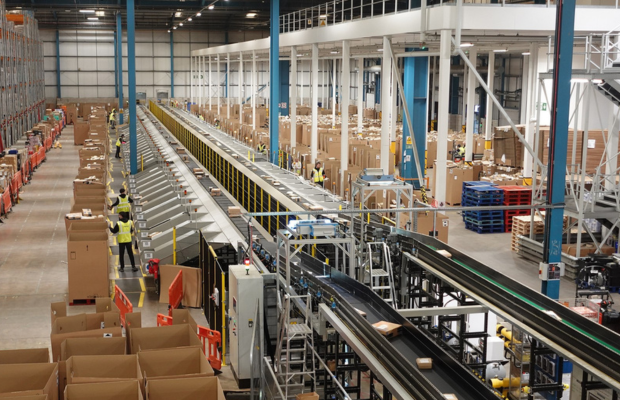
As businesses grow, processes change, products evolve, and production demands increase, automation systems can become outdated or restrictive.

Common warning signs include:

  • Increasing manual intervention
  • Frequent faults or downtime
  • Difficulty integrating new equipment
  • Poor reporting or data visibility
  • Operator workarounds becoming standard practice
 

A modern automation system should support productivity, flexibility, and long-term business goals, not limit them.
Is it compatible with current and future products?


Many older systems were designed around a fixed process or product range. As manufacturing and operational requirements change, automation may struggle to keep up.

Future-ready systems should:

  • Support scalability
  • Allow easier product changeovers
  • Integrate with modern digital systems
  • Provide better operational data
  • Reduce dependency on obsolete hardware

Does it comply with current legislation?

Compliance requirements continually evolve.

Regular reviews should assess:

  • Machinery safety systems
  • Electrical compliance
  • Functional safety
  • Cybersecurity protections
  • Remote access security
  • Documentation and backup procedures
 

A system that was compliant several years ago may no longer meet current standards or best practice.

Is the system energy efficient?

With rising energy costs, automation efficiency has become increasingly important.

Older systems may waste energy through:

  • Inefficient motor control
  • Excessive idle running
  • Poor process optimisation
  • Outdated hardware and drives
 

Modern automation improvements can reduce consumption, improve process efficiency, and lower operating costs.

Is the system safe, reliable, and maintained?

Automation reliability depends heavily on proactive maintenance and lifecycle management.

Areas often overlooked include:

  • Obsolete hardware
  • Unsupported software
  • Missing backups
  • Lack of spare parts
  • Incomplete documentation
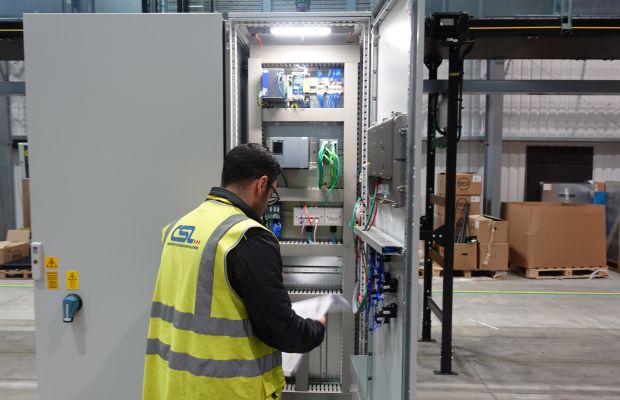
  • Ageing control panels and equipment
 

Without regular reviews, operational risks can increase significantly.


Packing Benches

Is the automation future-proof?

Future-proof automation is flexible, scalable, secure, and maintainable.

Businesses should consider whether their systems can adapt to:

  • Operational growth
  • New technologies
  • Digital integration
  • Increased reporting demands
  • Sustainability targets
  • Changing workforce requirements

Conclusion

Automation should never be treated as a “set and forget” investment.

Regular automation reviews help ensure systems remain:

  • Safe
  • Compliant
  • Efficient
  • Reliable
  • Energy conscious
  • Maintainable
  • Future-ready
 

The question is no longer simply whether the automation works.

The real question is whether it is still delivering the performance, protection, and value your business needs today, and into the future.

Discuss your Project Requirements

Thank you for your interest in CSL Automation. As one of the UK’s leading conveyor and automation integrators, we can help maintain your automation system. 

Start your automation journey today.