
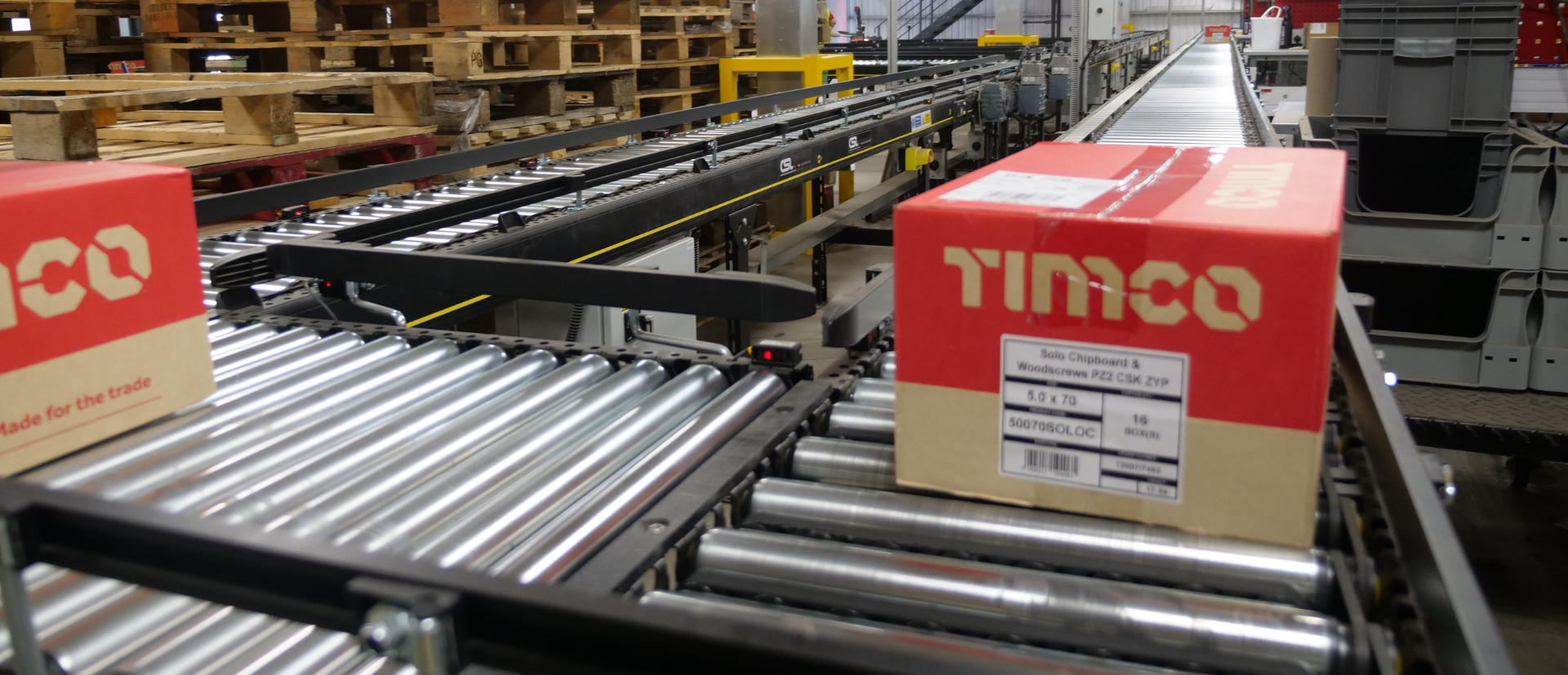
Automation isn’t the future of warehousing. It’s the present.
Warehouse automation is no longer a concept for the future; it has become a business necessity. With the UK warehouse automation market forecast to reach £3.4 billion by 2030, organisations are already leveraging robotics, AI, and intelligent automation to reduce travel times, lower labour costs, improve operational efficiency, and keep pace with growing e-commerce demand.
The reality is that automation is no longer a future investment. It is a present-day necessity for businesses looking to remain competitive, meet customer expectations and scale efficiently.
From eCommerce fulfilment centres and 3PL operations to manufacturing and distribution facilities, organisations across the UK are already using automation to increase throughput, reduce costs and improve operational performance. The question is no longer whether you should automate, but when.
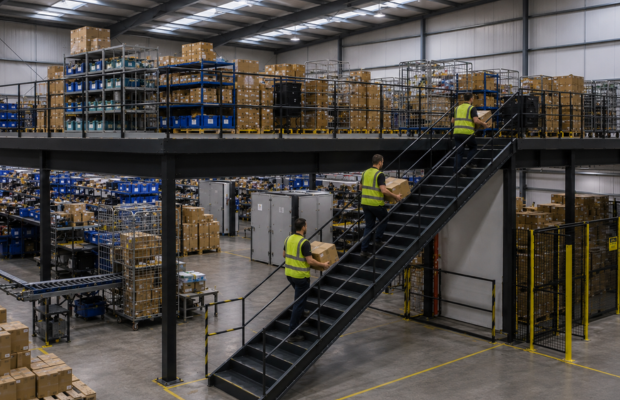

The warehouse landscape has changed
Customer expectations continue to rise. Orders need to be processed faster, accuracy levels must remain high and labour challenges are becoming increasingly difficult to overcome.
At the same time, warehouse operators are facing:
- Rising labour costs
- Labour shortages and recruitment challenges
- Increased order volumes
- Growing SKU counts
- Pressure to improve productivity
- Greater demand for real-time visibility and data
Attempting to manage these challenges using manual processes alone can quickly create operational bottlenecks that limit growth.
Automation provides a proven way to overcome these challenges while creating a more scalable and resilient operation.
Automation is more accessible than ever
One of the biggest misconceptions surrounding warehouse automation is that it requires a multi-million-pound investment.
While highly automated facilities certainly exist, many businesses are achieving significant gains through targeted automation projects that address specific operational challenges.
Examples include:
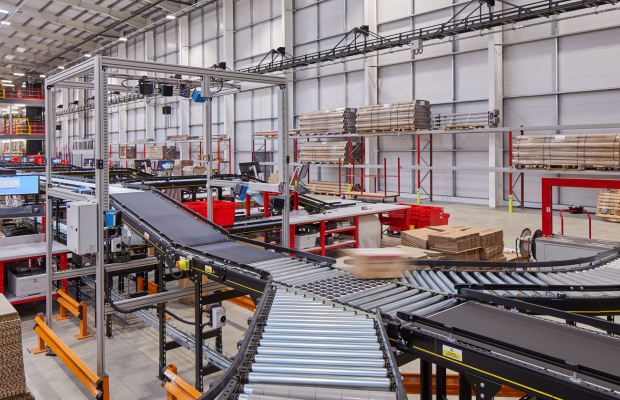
- Conveyor systems to eliminate manual transportation of products
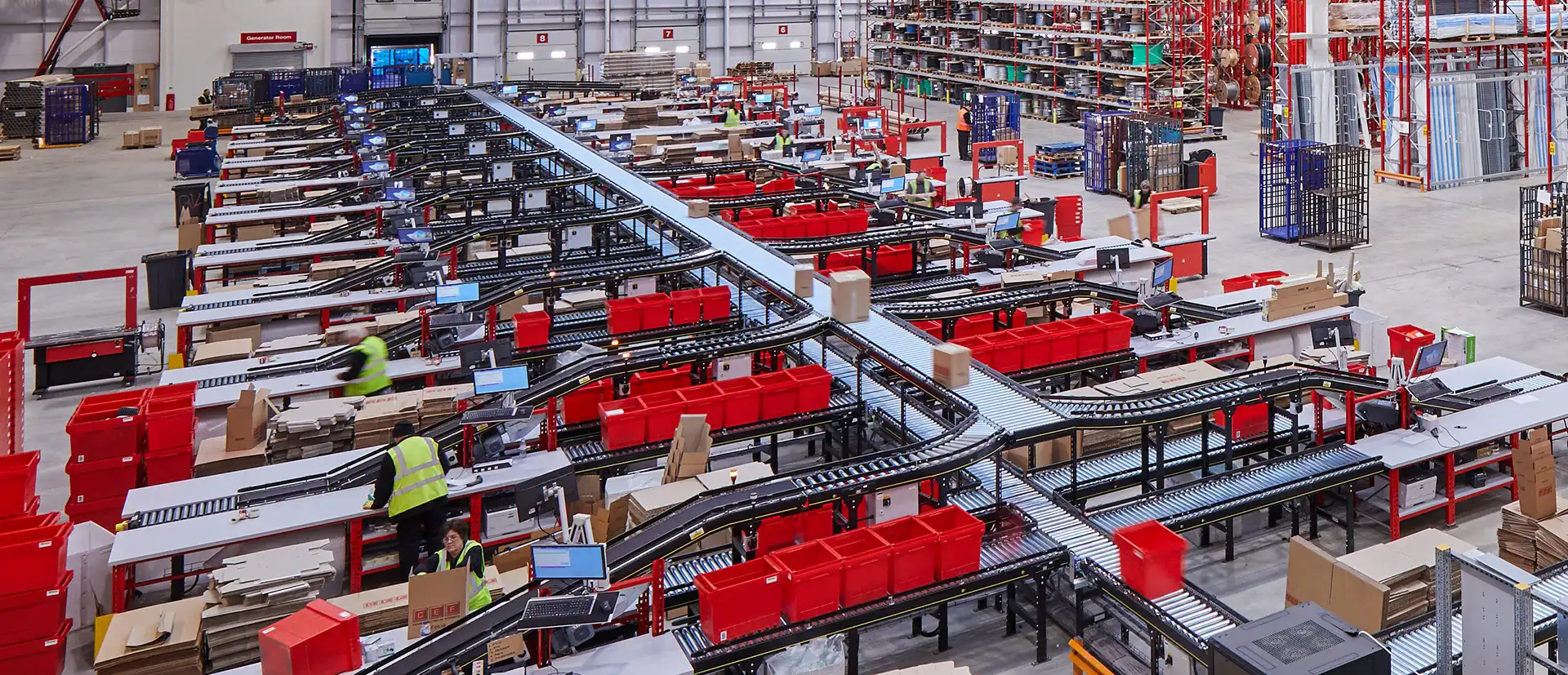
- Automated sortation systems to increase dispatch efficiency
- Automated packing solutions to improve throughput and consistency
- Vertical elevators and spiral conveyors to maximise building space
- Automated replenishment systems to keep pick faces stocked
- Returns automation to streamline reverse logistics
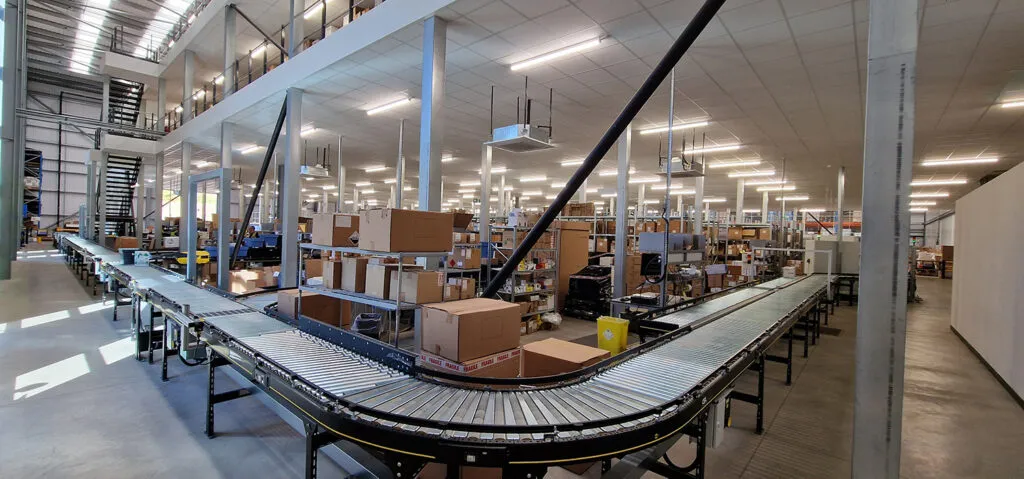
The cost of doing nothing
When considering automation, many organisations focus solely on the investment required.
However, the bigger question is often:
What is the cost of not automating?
Manual processes can lead to:
- Reduced throughput
- Higher labour dependency
- Increased operational costs
- Greater risk of errors
- Slower order fulfilment
- Limited scalability during peak periods
As order volumes increase, these challenges become more obvious.
Businesses that delay automation often find themselves continually adding labour to compensate for inefficient processes. While this may solve short-term issues, it rarely provides a sustainable long-term solution.
Unlocking higher performance
Warehouse automation delivers benefits far beyond labour savings.
Modern automation systems provide:
Improved productivity
Automated systems can move, sort, route and process products continuously, helping operations achieve significantly higher throughput rates than manual handling methods.
Greater accuracy
Integrated scanning, control systems and intelligent routing minimise errors and improve order accuracy.
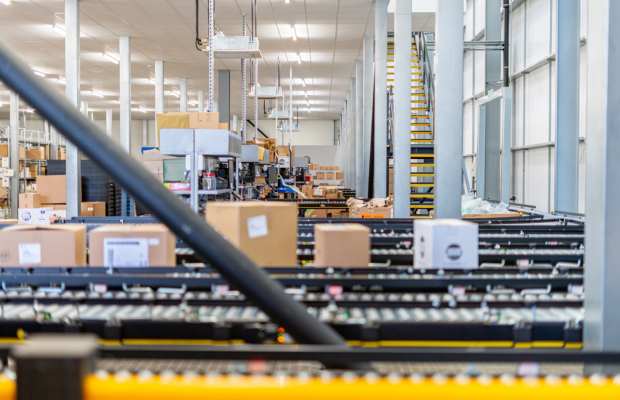
Better space utilisation
Solutions such as spiral conveyors, vertical lifts and mezzanine integrations help businesses maximise the use of existing warehouse space rather than relocating to larger facilities.
Enhanced visibility
Automation systems can integrate with WMS, WCS and ERP platforms to provide real-time operational insights and performance data.
Increased scalability
Well-designed automation systems can be expanded as the business grows, allowing facilities to adapt to changing operational requirements.
Automation supports your workforce
A common concern is that automation replaces people.
In reality, successful warehouse automation is often about allowing employees to focus on higher-value tasks while reducing repetitive, physically demanding activities.
By removing unnecessary walking, lifting and manual transportation, businesses can improve workplace safety, reduce fatigue and create a more productive working environment.
Automation and people work best together.
Start with the right process
The most successful automation projects do not begin with technology.
They begin with process.
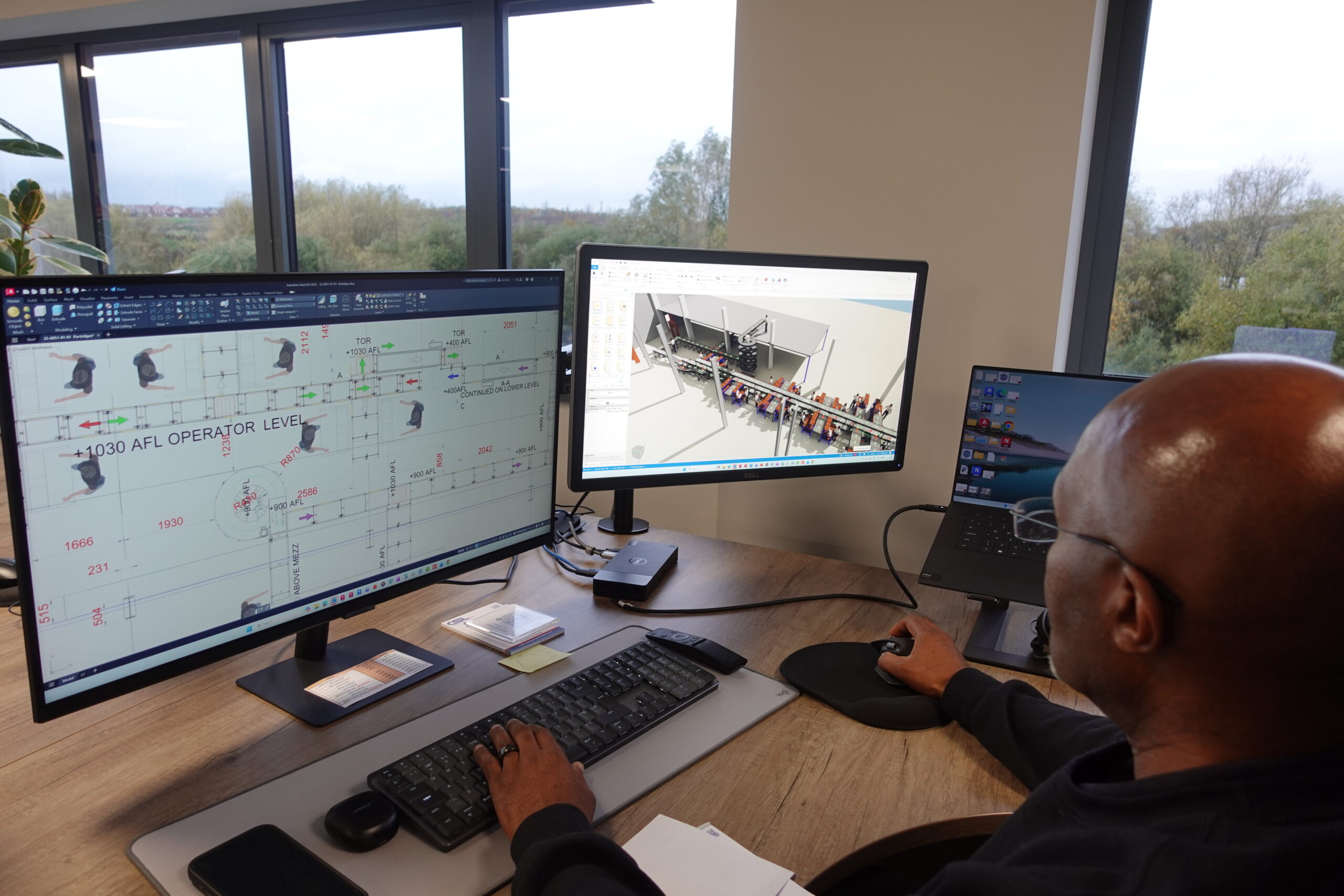
Understanding current workflows, identifying bottlenecks and analysing operational data helps determine where automation will deliver the greatest return.
Whether the challenge is order picking, packing, replenishment, sortation, returns handling or pallet movement, the goal should always be to design a solution around the operation rather than forcing the operation to fit a piece of equipment.
This is why working with an experienced automation systems integrator is critical. A well-designed solution considers both immediate requirements and future growth plans.
The best time to automate is before you really need to
Many businesses only begin exploring automation when capacity becomes a serious issue.
Unfortunately, by that point, operational constraints may already be affecting customer service levels, productivity and profitability.
Forward-thinking organisations take a different approach.
They invest before bottlenecks become critical, allowing them to scale confidently, manage growth effectively and stay ahead of competitors.
Automation is no longer something to consider in five years’ time.
It is helping businesses improve performance, increase capacity and future-proof operations today.


Final thoughts
Warehouse automation has evolved from a competitive advantage into a business necessity.
As customer expectations rise and operational pressures increase, businesses that continue to rely solely on manual processes risk falling behind. Meanwhile, organisations embracing automation are improving efficiency, increasing throughput and creating facilities that are built for growth.
The future of warehousing has already arrived.
Automation isn’t the future. It’s the present. And now is the time to take your operation to the next level.
Discuss your Project Requirements
Thank you for your interest in CSL Automation. As one of the UK’s leading conveyor and automation integrators, we can help maintain your automation system.
Start your automation journey today.
