
5 warehouse automation trends retailers can't ignore in 2026
Retail has always evolved, but the pace of change facing warehouse operations today is unprecedented. Consumer demand is less predictable, product lifecycles are shorter, labour remains difficult to secure, and economic uncertainty continues to influence inventory decisions.
Against this backdrop, automation is no longer simply about increasing throughput. It’s becoming the foundation for building warehouses that are more adaptable, resilient and capable of responding to constant change.
Here are five trends shaping warehouse automation in 2026.

1. Flexibility is becoming more valuable than fixed capacity
Retail demand has become increasingly difficult to forecast. A product can go viral overnight through social media ,creating sudden spikes that traditional warehouse operations struggle to absorb.
Rather than designing facilities around predictable volumes, businesses are increasingly looking for automation that can scale alongside demand.
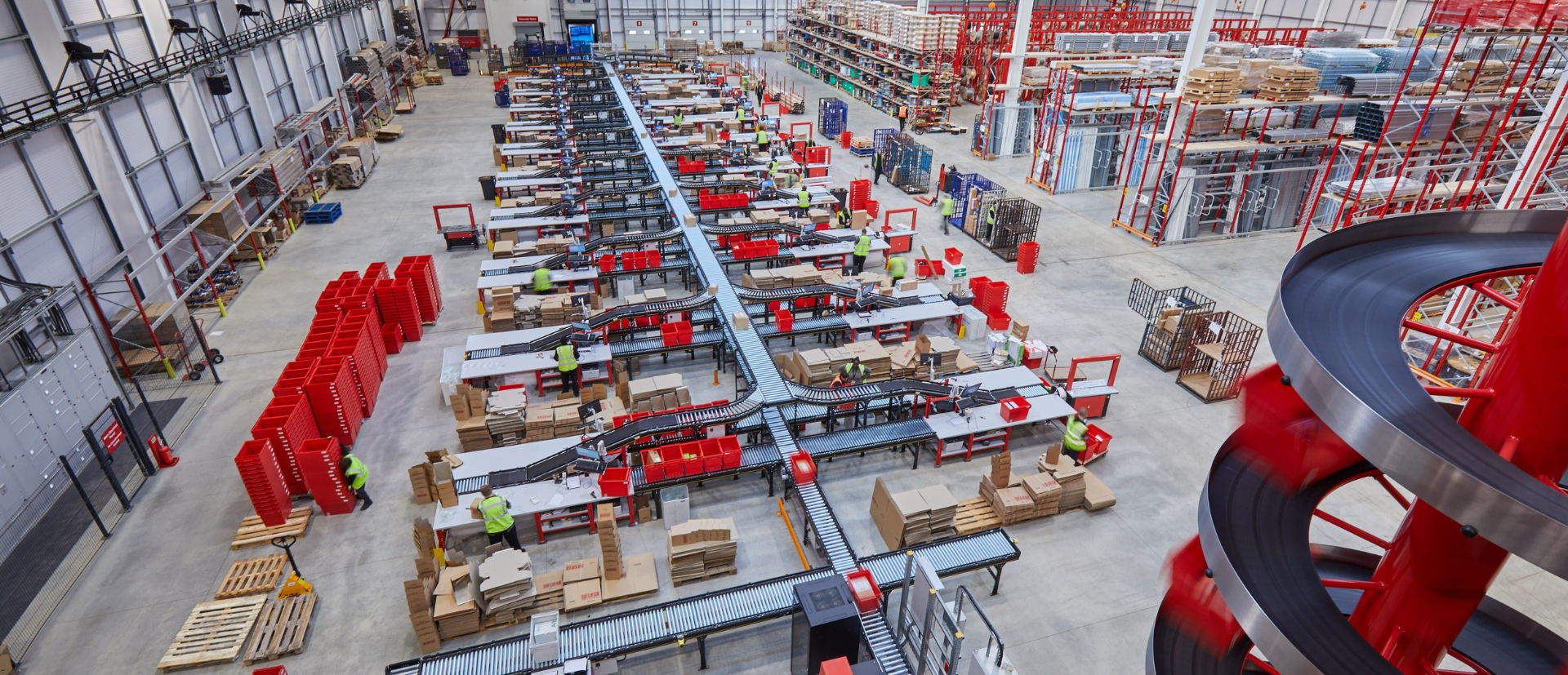
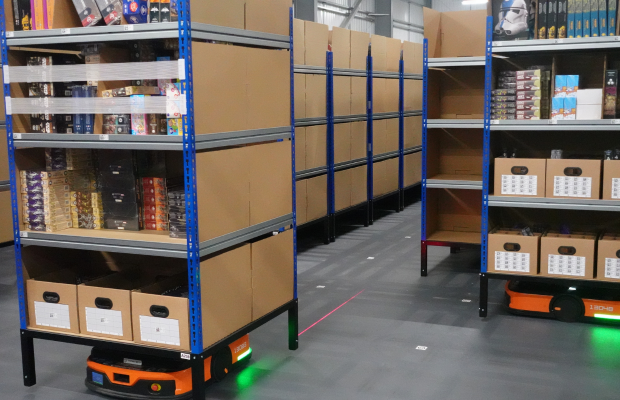
The most successful operations are combining technologies that provide flexibility across different processes, whether that’s autonomous mobile robots (AMRs), automated storage and retrieval systems (ASRS), goods-to-person solutions, or intelligent conveyor and sortation systems. The goal isn’t to automate everything, it’s to deploy the right technologies where they deliver the greatest operational benefit while retaining the ability to evolve as the business changes.
2. Storage strategy is becoming a competitive advantage
Economic uncertainty, shifting sourcing strategies and ongoing supply chain disruption mean inventory decisions are becoming increasingly complex.
Many retailers are holding stock differently than they did just a few years ago, balancing availability with storage costs while making better use of existing warehouse space.
Automation plays an important role here. High-density storage systems, automated pallet handling and intelligent warehouse software allow businesses to increase storage capacity without expanding their buildings.
More importantly, these systems provide greater visibility and control over inventory, enabling operators to respond more confidently as demand patterns change.


3. Automation projects are becoming more integrated
Warehouses rarely have a single operational challenge. Businesses may need to improve picking productivity, increase storage density, automate pallet movements and improve software visibility, all within the same facility.
As a result, organisations are increasingly moving away from standalone automation projects towards integrated solutions that connect multiple technologies into one cohesive operation.
This approach allows businesses to automate incrementally while ensuring each investment supports a longer-term strategy. Whether introducing robotics into manual processes or expanding existing automation, integration has become just as important as the technology itself.
4. Customer expectations are changing, and so are warehouse priorities
Fast delivery remains important, but it’s no longer the only measure of success.
Consumers increasingly value availability, order accuracy, sustainability and overall brand experience. For retailers, this shifts the focus from simply moving products faster to building fulfilment operations that are consistently reliable.
Automation supports this by reducing manual handling, improving inventory accuracy and creating more predictable warehouse performance.

5. Automation is helping create a more sustainable workforce
Labour shortages continue to affect warehouse operations across the retail sector, particularly during seasonal peaks.
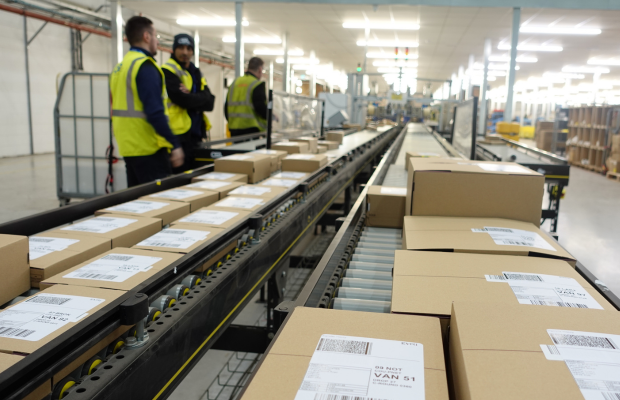
Rather than replacing people, automation is increasingly being used to reduce dependence on temporary labour while improving the working environment for permanent teams.
By automating repetitive, physically demanding or low-value tasks, businesses can redeploy employees into higher-value roles while making seasonal demand easier to manage.
The result is a more resilient operation that places less pressure on recruitment, onboarding and training during peak periods.
Looking ahead
The warehouse of 2026 won’t be defined by how much automation it contains, but by how effectively different technologies work together to support changing business needs.
Every operation is different. Some organisations require greater storage density, others need more flexible picking capacity, while many are looking to connect existing systems and automate gradually over time.
With expertise across robotics, ASRS, AMRs, conveyor and sortation systems, pallet automation, warehouse software and system integration, CSL Automation helps businesses develop automation strategies that are designed around their operations, rather than around a single technology.
Discuss your Project Requirements
Thank you for your interest in CSL Automation. As one of the UK’s leading conveyor and automation integrators, we can help maintain your automation system.
Start your automation journey today.
