
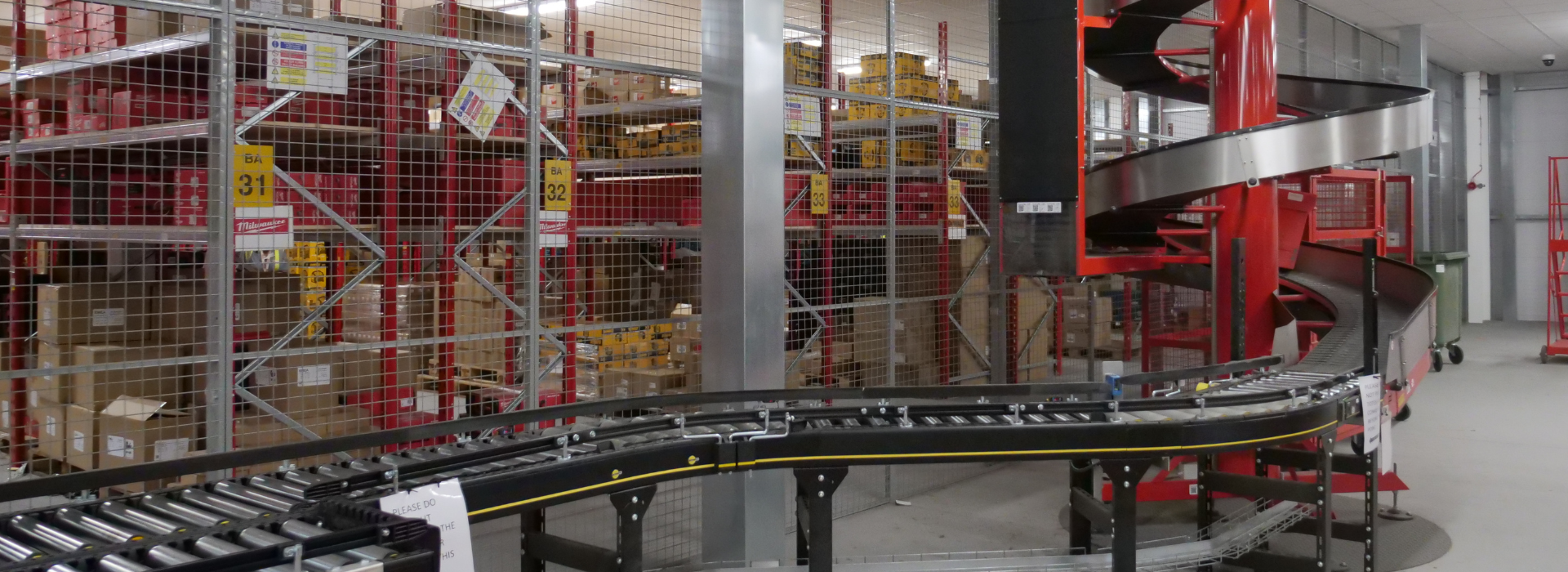
Eliminating manual stock movements
In today’s fast-paced warehouse environment, operational efficiency is no longer a competitive advantage, it’s a necessity. As customer expectations for faster order fulfillment continue to rise, warehouses must ensure that inventory is always available at the point of picking. One of the most effective ways to achieve this is through automated replenishment from bulk storage locations to pick faces.
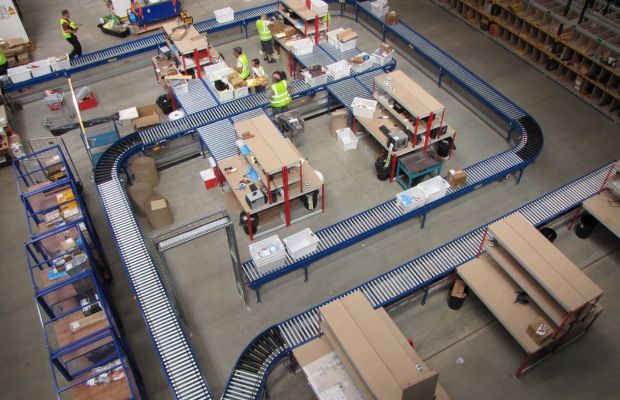
What is automated replenishment?
Automated replenishment is a warehouse management capability that continuously monitors inventory levels in forward pick locations (pick faces) and automatically generates replenishment tasks when stock reaches predefined thresholds. Instead of relying on warehouse personnel to manually identify shortages and move stock, the system proactively ensures that inventory is replenished from bulk storage before pick locations run empty.
This creates a seamless flow of inventory throughout the warehouse while minimising disruption to picking operations.
The challenges of manual replenishment
Traditional replenishment processes often depend on supervisors or warehouse operators to monitor stock levels and initiate replenishment activities. While this approach may work in smaller operations, it becomes increasingly inefficient as order volumes grow.
Manual replenishment can lead to:
- Empty pick faces and interrupted order picking
- Increased labour costs due to unnecessary stock checks
- Delays in order fulfillment
- Higher risk of human error
- Reduced warehouse productivity
- Inefficient use of warehouse resources
When pickers arrive at a location and discover that inventory is unavailable, valuable time is lost while replenishment tasks are created and executed. These interruptions can significantly impact throughput and customer service levels.

How automated replenishment works
A Warehouse Management System (WMS) continuously tracks inventory levels in pick locations. When stock reaches a predefined minimum threshold, the system automatically triggers a replenishment task.
The process typically includes:
- Monitoring inventory levels in pick faces in real time.
- Identifying locations approaching minimum stock levels.
- Automatically generating replenishment tasks.
- Directing warehouse operators to move inventory from bulk storage to the pick face.
- Confirming replenishment completion and updating inventory records instantly.
Key benefits of automated replenishment
Continuous picking availability
The most significant advantage of automated replenishment is ensuring that pick faces remain stocked and ready for order fulfillment. Continuous product availability minimises picking interruptions and helps maintain consistent operational flow.
Increased warehouse productivity
By eliminating manual monitoring and replenishment planning, warehouse teams can focus on higher-value activities. Automated task generation reduces administrative effort and enables workers to operate more efficiently.
Reduced labour costs
Automation removes the need for routine stock checks and manual replenishment decision-making. This reduces labour-intensive activities and helps organisations optimise workforce utilisation.

Improved inventory accuracy
Automated replenishment processes are driven by real-time inventory data, reducing the likelihood of errors associated with manual tracking. Accurate inventory records improve overall warehouse visibility and support better decision-making.
Faster order fulfillment
When pick locations are consistently stocked, orders can be picked without delays. This improves fulfillment speed, increases throughput, and enhances customer satisfaction.
Enhanced scalability
As businesses grow and order volumes increase, automated replenishment enables warehouses to scale operations without proportionally increasing labour requirements. The system manages replenishment activities efficiently, even in high-volume environments.
Supporting a smarter warehouse strategy
Automated replenishment is a critical component of modern warehouse optimisation initiatives. By integrating replenishment logic directly into the Warehouse Management System, organisations can create a more responsive, efficient, and resilient operation.
The result is a warehouse that not only reduces manual stock movements but also ensures that products are always available where they are needed most. This proactive approach minimises downtime, improves productivity, and supports the delivery of exceptional customer service.
Conclusion
Automating replenishment from bulk storage to pick faces transforms warehouse operations by eliminating manual stock movement decisions and ensuring continuous inventory availability for order picking. With real-time monitoring, automated task creation, and optimised inventory flow, businesses can improve productivity, reduce operational costs, and maintain high service levels.
As warehouses continue to embrace digital transformation, automated replenishment stands out as a practical and impactful solution for driving operational excellence and supporting long-term growth.

Discuss your Project Requirements
Thank you for your interest in CSL Automation. As one of the UK’s leading conveyor and automation integrators, we can help maintain your automation system.
Start your automation journey today.
