
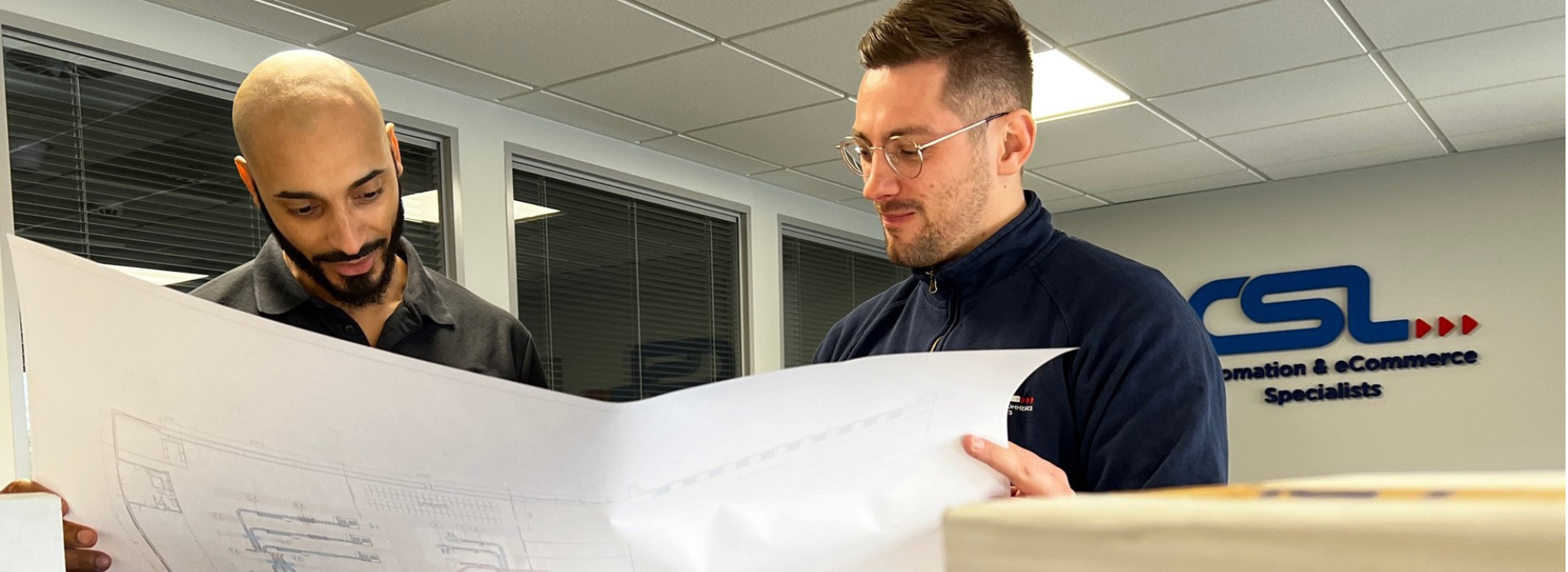
Avoid costly mistakes and build long-term operational efficiency
When planning a new warehouse, distribution centre, or facility expansion, many businesses focus primarily on equipment, storage capacity, and immediate operational requirements. While these elements are important, one of the most critical decisions often occurs much earlier in the process: engaging warehouse design experts from the outset.
Early involvement of experienced warehouse design professionals can help organisations avoid expensive mistakes, optimise workflows, and create facilities that support long-term growth. Smart design decisions made during the planning phase can deliver operational efficiencies for years to come.

Why early warehouse design matters
Warehouse design is about much more than determining where racking should be placed. It involves creating an integrated environment that supports inventory management, material handling, workforce productivity, safety, and future scalability.
When design expertise is introduced late in a project, businesses often find themselves working around decisions that have already been made regarding building dimensions, access routes, dock positioning, or storage layouts. These constraints can significantly reduce operational efficiency and lead to costly modifications after construction.
By involving warehouse design specialists early, organisations can ensure that the facility is designed around operational requirements rather than forcing operations to adapt to a less-than-ideal space.
Preventing costly and common design mistakes
Many warehouse inefficiencies can be traced back to decisions made during the initial planning stages. Common issues include:
- Insufficient storage capacity or poor space utilisation
- Inefficient product flow and excessive travel distances
- Inadequate dock and loading bay configurations
- Bottlenecks in receiving, picking, packing, or dispatch areas
- Limited flexibility to accommodate future growth
- Safety concerns arising from poor traffic management
These challenges often require expensive retrofits, operational workarounds, disruptive modifications or additional labour costs to overcome.
Warehouse design experts use data-driven analysis and industry best practices to identify potential issues before they become costly problems. Their experience enables businesses to make informed decisions that minimise risk and maximise return on investment.
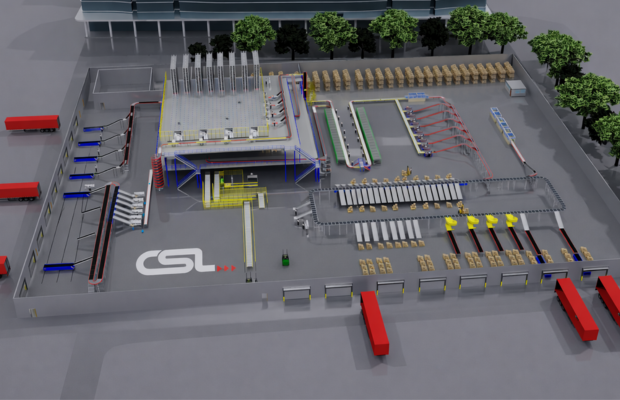
Optimising operational efficiency
A well-designed warehouse supports seamless movement of goods, people, and equipment throughout the facility.
Design specialists evaluate factors such as:
- Inventory profiles and SKU characteristics
- Throughput volumes and seasonal fluctuations
- Picking methodologies
- Material handling equipment requirements
- Labour utilisation
- Automation opportunities
- Future business growth projections
By analysing these variables holistically, experts can develop layouts that reduce travel time, improve picking accuracy, increase throughput, and enhance overall productivity.
Maximising space utilisation
Warehouse space is a valuable asset. Every square metre should contribute to operational performance and profitability.
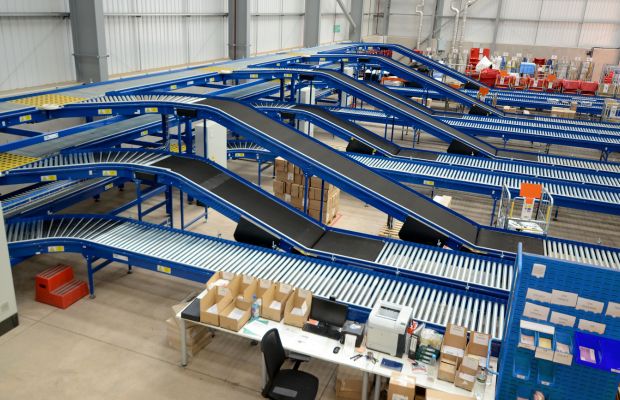
Experienced warehouse designers understand how to maximise storage density without compromising accessibility, safety, or workflow efficiency. Through careful planning of racking systems, aisle widths, storage strategies, and material handling solutions, businesses can often achieve significantly higher storage capacity within the same footprint.
Effective space utilisation can also delay or eliminate the need for costly facility expansions, providing substantial long-term savings.

Designing for growth and flexibility
Business requirements rarely remain static. Customer expectations evolve, product ranges expand, and order volumes fluctuate.
A warehouse designed solely for today’s requirements may quickly become a constraint on future growth.
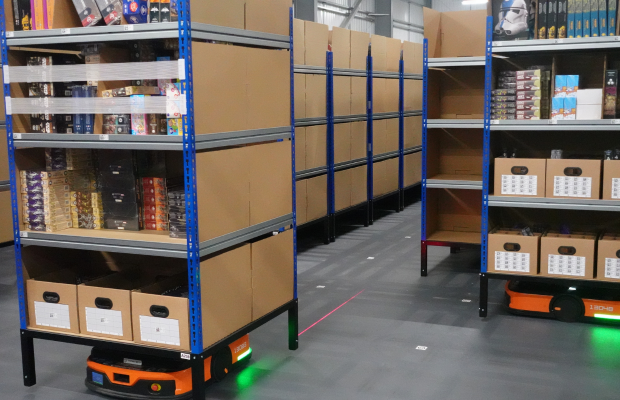
Early engagement with warehouse design experts allows organisations to build flexibility into the facility from the beginning. This may include scalable storage solutions, adaptable workflows, automation readiness, and provisions for future expansion.
A future-proofed warehouse can accommodate changing business needs without major disruptions or capital expenditure.
Enhancing safety and compliance
Poorly planned layouts can increase the risk of accidents, congestion, equipment damage, and compliance issues. By integrating safety principles into the design process, warehouse experts create environments that support safe movement of personnel, forklifts, and goods.
Thoughtful design not only helps organisations meet regulatory requirements but also contributes to improved employee wellbeing, reduced downtime, and lower operating costs.
Conclusion
Successful warehouse projects begin with informed planning. Engaging warehouse design experts early provides organisations with the insight and experience needed to avoid costly mistakes, optimise facility performance, and create a foundation for sustainable growth.
By making smart design decisions from the start, businesses can develop warehouses that not only meet current operational demands but also deliver long-term efficiency, flexibility, and value for years to come.
Discuss your Project Requirements
Thank you for your interest in CSL Automation. As one of the UK’s leading conveyor and automation integrators, we can help maintain your automation system.
Start your automation journey today.
