
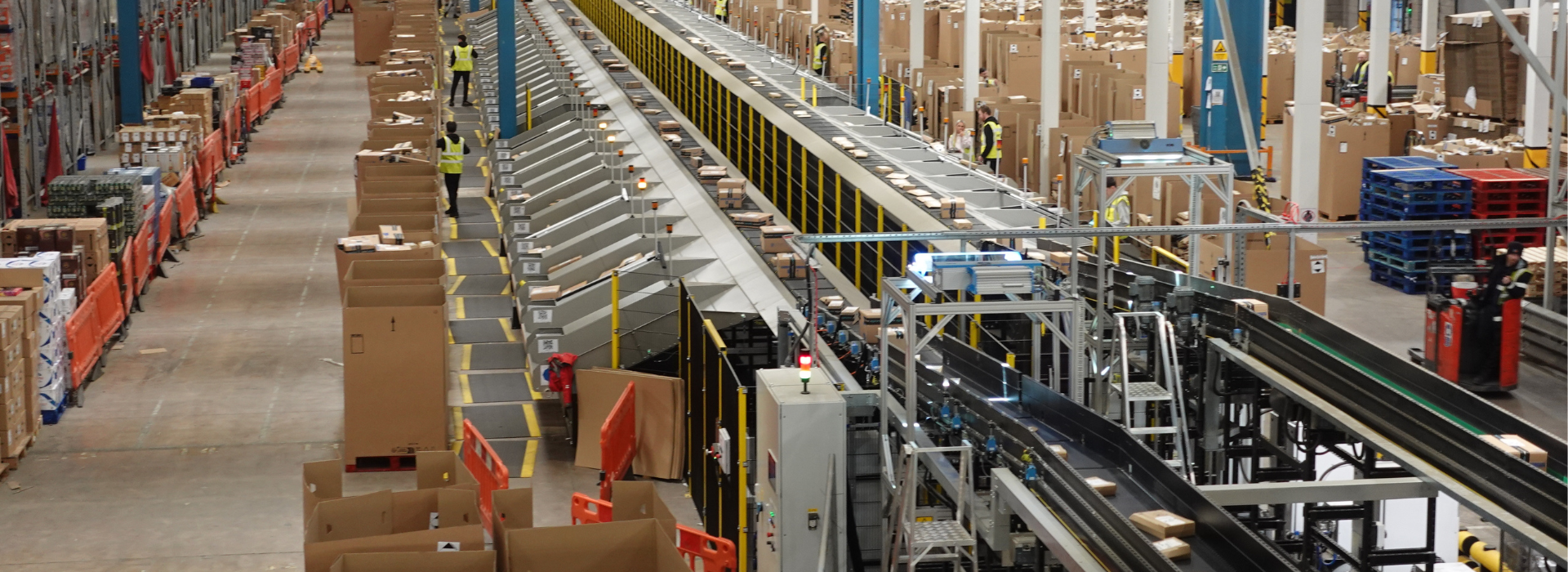
Identify Problems Before They Become Customer Complaints
Nowadays customers expect accurate orders, on-time deliveries, and complete transparency throughout the fulfilment process. Even a single damaged, short, or incorrect order can lead to costly returns, operational inefficiencies, and reduced customer trust. As warehouse volumes continue to increase, relying on manual inspection and reactive problem-solving is no longer sustainable.
At CSL Automation, we help businesses transform their warehouse operations through intelligent automation solutions that identify and manage exceptions before they impact customers
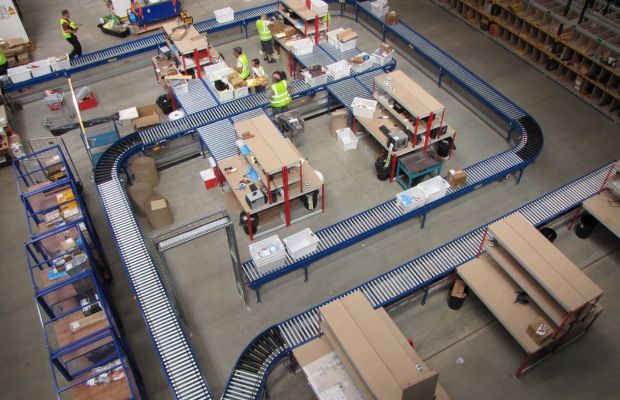
What is exception handling in warehouse automation?
Exception handling refers to the process of detecting, flagging, and resolving issues that occur during order fulfilment. These exceptions can include:
- Damaged products identified during picking, packing, or transit preparation
- Short orders where items are missing from a shipment
- Incorrect orders caused by picking or packing errors
- Barcode mismatches and inventory discrepancies
- Packaging defects or labelling issues
- Stock shortages that could affect order completion
Traditionally, many of these problems are only discovered after an order reaches the customer, resulting in complaints, returns, replacement shipments, and increased operational costs.
The challenge of manual exception management
Manual exception handling often relies on warehouse staff identifying issues through visual inspections or customer service teams responding to complaints after delivery. This reactive approach creates several challenges:
- Delayed issue resolution
- Increased labour requirements
- Higher return and replacement costs
- Reduced operational efficiency
- Poor customer experience
- Limited visibility into recurring process failures
As order volumes grow, the likelihood of errors increases, making proactive exception management essential for maintaining service levels.
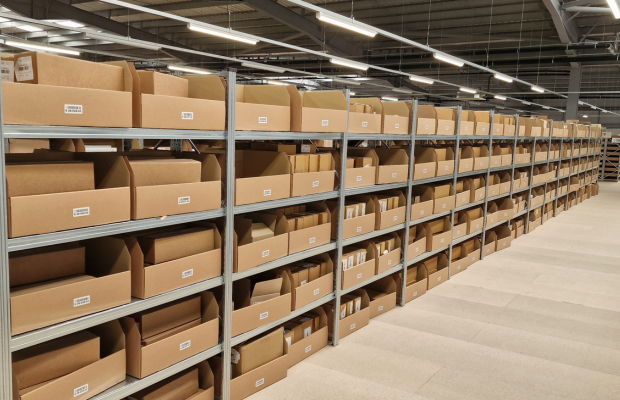
Inbound (receiving)
- Goods received but not expected on the purchase order.
- Quantity received differs from the delivery note.
- Damaged pallets or products.
- Missing labels or barcodes.
Storage
- No available bin location.
- Product placed in the wrong location.
- Inventory discrepancies during stock counts.
Order Picking
- Item not found in the recorded location.
- Insufficient stock to fulfill an order.
- Damaged stock discovered while picking.
- Wrong product picked.
Packing & Shipping
- Parcel weight doesn’t match expected weight.
- Missing items in an order.
- Carrier rejection or failed label generation.
- Delivery address issues.
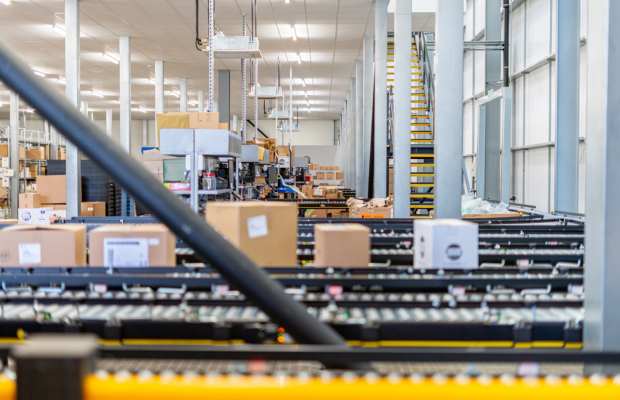
Normal process:
- Picker receives task.
- Goes to location A12.
- Picks 10 units.
- Confirms pick.
- Order progresses to packing.
Exception:
- Picker goes to location A12.
- Only 6 units are available.
- System flags a stock shortage exception.
- Warehouse supervisor investigates.
- Stock is replenished, substituted, backordered, or inventory is adjusted.
From reactive to proactive exception management
Traditional warehouse processes often rely on people discovering problems as they work or, in some cases, customers discovering them after delivery.
Automation creates the opportunity to move from this reactive model to a proactive one.
For example, a warehouse automation system could identify:
Wrong item → stop or divert the order for verification.
Missing item → flag the order before packing.
Unexpected weight → trigger an investigation before dispatch.
Damaged product → divert it for inspection or replacement.
Inventory discrepancy → create an exception for investigation and stock adjustment.
Failed label → prevent the parcel from entering the dispatch process until the issue is resolved.
This creates a controlled process around exceptions rather than leaving individual operators to determine what to do each time something goes wrong.
Why exception handling is important
Effective exception handling helps:
- Maintain inventory accuracy.
- Prevent shipment delays.
- Reduce customer complaints.
- Identify process weaknesses.
- Improve warehouse productivity.
In Warehouse Management Systems (WMS)
Most WMS platforms create an exception queue or exception workflow where issues are:
- Logged automatically.
- Assigned to responsible teams.
- Prioritised by urgency.
- Tracked until resolved.
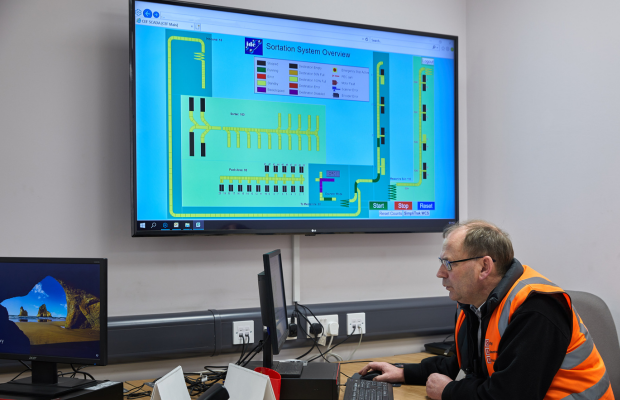
How automated exception handling works
Modern warehouse automation systems continuously monitor operations at every stage of the fulfilment process. By integrating technologies such as barcode scanning, machine vision, check weighing automated data validation, and warehouse management systems (WMS), exceptions can be detected instantly.
Automated systems can:
· Detect damaged goods early
· Identify short orders in real time
· Prevent incorrect shipments
· Generate instant alerts and escalations
· The business benefits of early exception detection
· Improve order accuracy
· Faster problem resolution
· Reduce costs
· Enhance customer satisfaction
· Give greater operational visibility
· Building a proactive warehouse operation
Why partner with CSL Automation?
At CSL Automation, we design and implement intelligent warehouse automation solutions that help businesses identify exceptions in real time and maintain complete control over their fulfilment operations.
Our expertise in automated material handling, warehouse control systems, machine vision, and operational integration enables organisations to reduce risk, improve performance, and create scalable fulfilment environments ready for future growth.
Conclusion
Damaged products, missing items, and incorrect shipments don’t just affect individual orders, they impact customer satisfaction, profitability, and brand reputation. Automated exception handling provides the visibility and control needed to identify issues early, resolve them quickly, and prevent them from reaching the customer.
By embracing intelligent automation, businesses can create more efficient, reliable, and customer-focused warehouse operations while building a strong foundation for long-term success.
Discuss your Project Requirements
Thank you for your interest in CSL Automation. As one of the UK’s leading conveyor and automation integrators, we can help maintain your automation system.
Start your automation journey today.
