

Holding spares vs Reactive ordering: The hidden costs and smart savings for your automation systems
System uptime isn’t just important, it’s absolutely critical. When a conveyor, sorter, or key automation component fails unexpectedly, the cost of downtime can quickly escalate, affecting throughput, delivery commitments, labour efficiency, and customer satisfaction.
At CSL Automation, we regularly support clients who face one key decision:
Do we proactively hold essential spare parts on-site, or rely on reactive ordering when a breakdown occurs?
Both approaches have merits, but they also carry very different risks. Here, we break down the real impact of each so you can make the best long-term decision for your operation.


Reactive ordering can seem cost-effective at first glance, after all, why buy a part until you need it? But the hidden costs often tell a different story.
- Extended downtime
Even with CSL’s rapid response support, lead times for specialist parts can be unpredictable. Some components may only be available from overseas suppliers, extending downtime significantly.
- Higher emergency costs
Expedited shipping, urgent engineering call-outs, and staff downtime can quickly exceed the cost of simply holding common spares.
- Production and service disruption
Reactive ordering leaves no buffer for:
- Supplier shortages
- Delivery delays
- Global supply chain fluctuations
- Unexpected failures during peak demand
- Increased stress on your maintenance team
Your team, or CSL engineers, must react quickly, diagnose, source, and replace under pressure. This reactive environment often results in higher risk and reduced maintenance quality.
What should you hold as spares?
You don’t need to stock everything. CSL Automation works with each customer to create a tailored Critical Spares List, based on:
- System design
- Component lead times
- Wear-and-tear patterns
- Operational impact of failure
- Peak season requirements
- Maintenance schedule
Typical recommended spares include:
- Photoelectric sensors
- Rollers and bearings
- Drive belts
- Motors and gearboxes
- Pneumatic parts
- Lineshaft components
- Control panel parts
- Spiral slats, bearings and spacers
Holding even a small, carefully selected inventory can dramatically improve resilience.
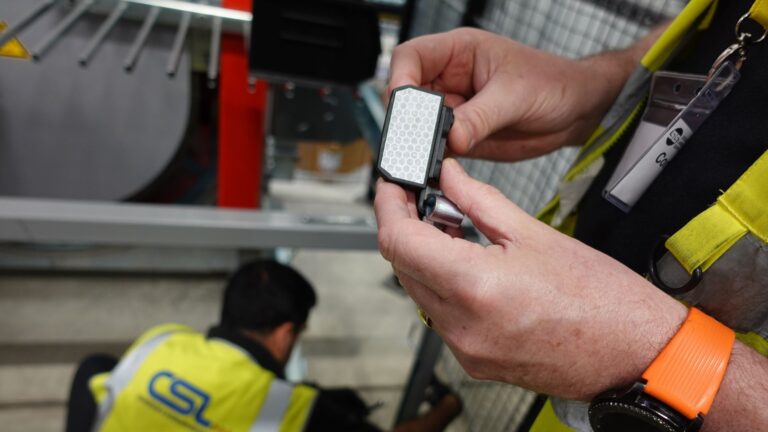
CSL Automation’s support: Helping you make the right decision
Whether you choose to hold spares or rely on reactive ordering, CSL ensures you’re supported. Our services include:
- Critical Spares Audits
- Tailored Spares Packages for New or Existing Systems
- Rapid-response engineering support
- Preventative maintenance programmes
- Obsolescence checks and recommendations
Our goal is simple: keep your automation running efficiently, safely, and reliably, with no surprises.
Conclusion
Holding the right spares isn’t an unnecessary cost, it’s an operational insurance policy. When downtime costs more than the parts themselves (which is almost always the case), investing in a strategic spares stock becomes a powerful way to protect productivity and maintain competitive performance.
If you’d like help identifying the right spares for your conveyor or automation systems, CSL Automation is here to support you.
Discuss your Maintenance Requirements
Thank you for your interest in CSL Automation. As one of the UK’s leading conveyor and automation integrators, we can help maintain your automation system.
Start your automation journey today.
