
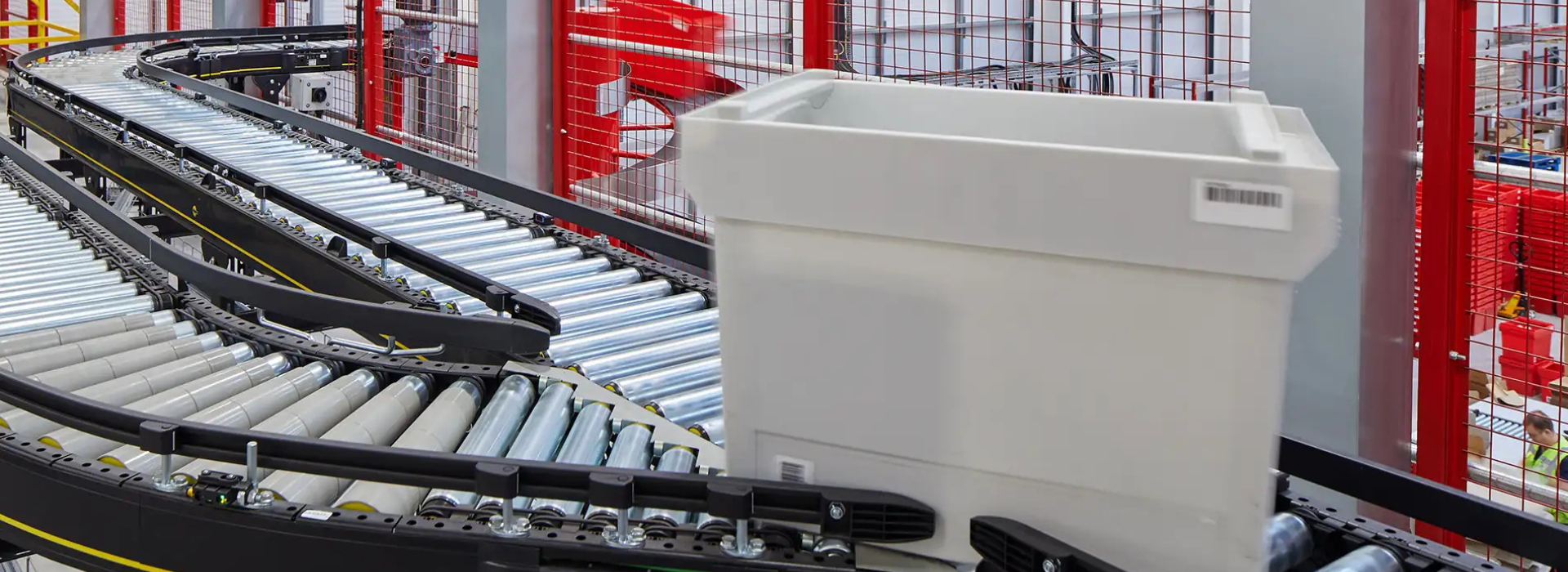
As businesses seek to optimise throughput, reduce operational costs, and improve sustainability, conveyor system design plays a critical role in achieving these objectives.
One of the most effective approaches is the strategic integration of powered and gravity conveyors. Rather than viewing these technologies as alternatives, forward-thinking organisations are leveraging the strengths of both to create highly efficient, flexible, and cost-effective material handling solutions.

Understanding the difference
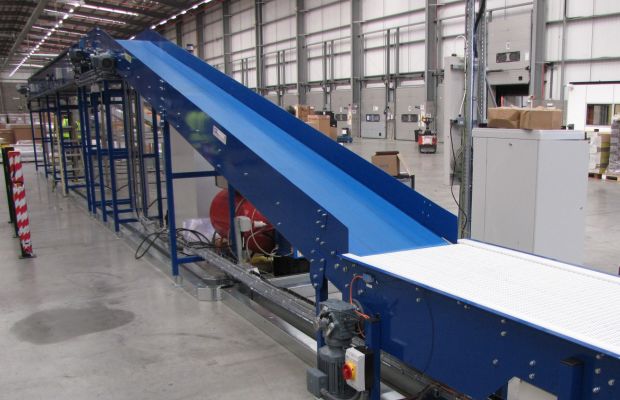
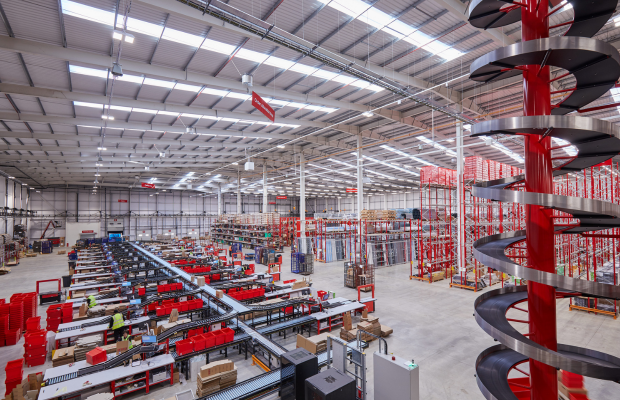
Powered conveyors use motors to move products automatically throughout a facility. They provide consistent movement, precise control, and seamless integration with automated processes.
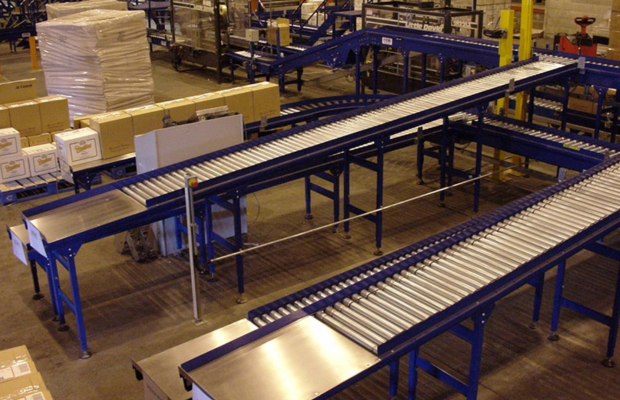
Gravity conveyors, on the other hand, utilise gravity or manual force to move products. With no motors or electrical components required, they offer a simple, reliable solution for many material handling applications.
The key to an optimised system lies in knowing where each solution delivers the greatest value.
Reducing energy consumption without sacrificing performance
As energy costs continue to rise, businesses are increasingly looking for ways to minimise power consumption across their operations. Gravity conveyors provide an excellent opportunity to achieve this goal.
By incorporating gravity conveyor sections in areas where powered movement is unnecessary, such as accumulation zones, packing stations, loading areas, or product transfer points, facilities can significantly reduce energy usage while maintaining smooth product flow.
This selective use of powered equipment ensures energy is only consumed where it creates genuine operational value.
The result is a more sustainable material handling system with lower operating costs and a reduced environmental footprint.
Creating flexible workflows
Modern facilities rarely operate in a static environment. Product volumes fluctuate, customer demands evolve, and operational layouts often change over time.
Gravity conveyors offer exceptional flexibility due to their simple design and ease of reconfiguration. They can support:
- Manual picking and packing operations
- Temporary production lines
- Seasonal throughput increases
- Flexible staging and buffering areas
- Future expansion plans
When combined with powered conveyor sections, businesses gain the ability to create hybrid systems that adapt quickly to changing operational requirements without significant capital investment.
Enhancing automation efficiency
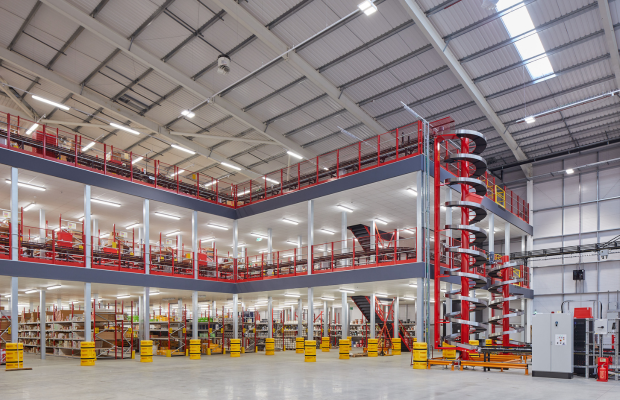
While automation delivers significant productivity gains, not every stage of a process requires full automation.
A common misconception is that maximum automation always equals maximum efficiency. In reality, the most effective systems balance automation with practical, cost-effective material flow strategies.
Powered conveyors excel in:
- High-volume transport
- Long-distance movement
- Automated sorting and routing
- Integration with robotics and warehouse management systems
- Maintaining consistent throughput rates
Gravity conveyors complement these capabilities by providing low-cost transfer zones, accumulation areas, and operator workstations where powered movement would offer limited additional benefit.
This balanced approach allows businesses to maximise automation performance while controlling capital and operating expenses.
Improving reliability and maintenance
Every motor, drive, and electrical component introduces maintenance requirements. By reducing the number of powered sections where possible, facilities can lower maintenance demands and minimise potential points of failure.
Gravity conveyors feature fewer moving parts, making them highly reliable and cost-effective over their operational lifespan. Their simplicity contributes to improved system uptime and reduced maintenance expenditure.
When strategically integrated with powered systems, they help create robust material handling solutions that deliver long-term operational resilience.
Designing for the future
The most successful conveyor systems are designed not only for today’s requirements but also for tomorrow’s growth.
A hybrid conveyor strategy enables businesses to:
- Scale operations more efficiently
- Introduce automation gradually
- Optimise capital expenditure
- Reduce energy costs
- Improve operational flexibility
- Support sustainability initiatives
By carefully analysing product flow, throughput demands, facility layout, and future business objectives, organisations can develop conveyor systems that balance performance, cost, and adaptability.
Partner with CSL Automation
At CSL Automation, we understand that no two operations are the same. Our team designs and delivers bespoke conveyor solutions that combine powered and gravity conveyor technologies to achieve the optimal balance between efficiency, flexibility, and energy consumption.
Whether you’re upgrading an existing system, expanding your facility, or planning a new automation project, we can help you create a material handling solution that supports productivity today and growth tomorrow.
Contact CSL Automation to discover how a strategically designed conveyor system can transform your operation and deliver measurable long-term value.
Discuss your Project Requirements
Thank you for your interest in CSL Automation. As one of the UK’s leading conveyor and automation integrators, we can help maintain your automation system.
Start your automation journey today.
