
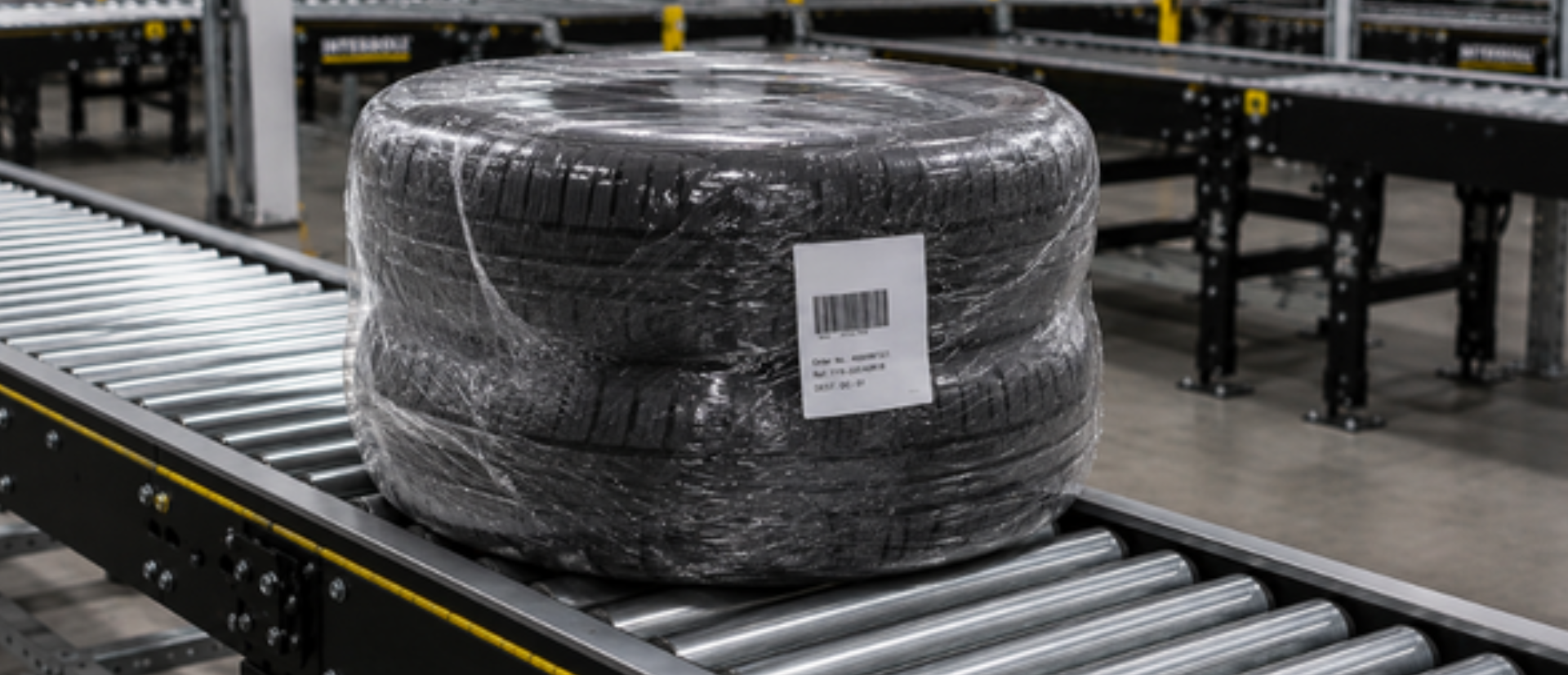
Non-Conveyable Goods: Turning automation challenges into opportunities
Conveyors and automation systems are often the backbone of efficient material handling. However, not every product is likely to travel smoothly on a conveyor. These products are commonly referred to as non-conveyable goods, or simply “non-con”
For many operations, non-conveyable items can represent one of the biggest challenges to achieving high levels of automation. Fortunately, with the right expertise and technology, these products can often be integrated successfully into automation systems.
What are non-conveyable goods?
A non-conveyable item is any product that cannot be reliably transported, sorted, or handled using conventional automation equipment without causing operational issues. These challenges can arise due to a product’s:
- Size
- Shape
- Weight
- Packaging type
- Stability
- Surface characteristics
In simple terms, if an item cannot safely and consistently travel through a standard automated conveyor system, it is considered non-conveyable.
Common examples of non-conveyable items
Many warehouses and distribution centres encounter products such as:
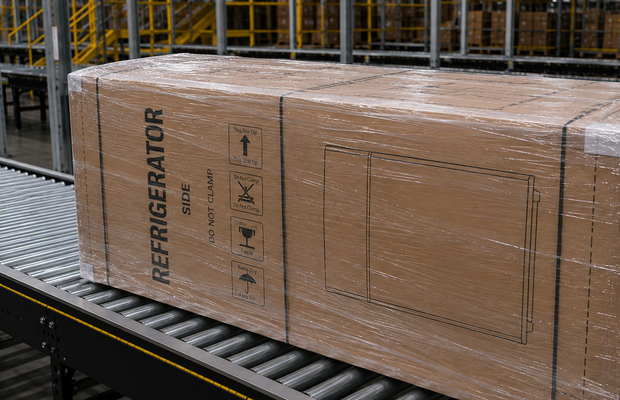
Large and bulky products
- Furniture
- Flat-pack goods
- Mattresses
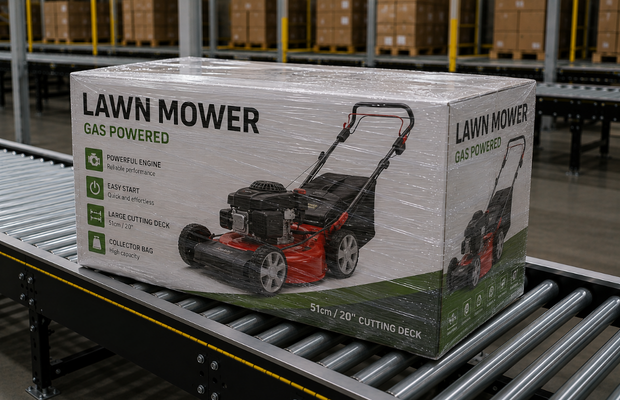
- Large appliances
Irregularly shaped items
- Automotive parts
- Building materials
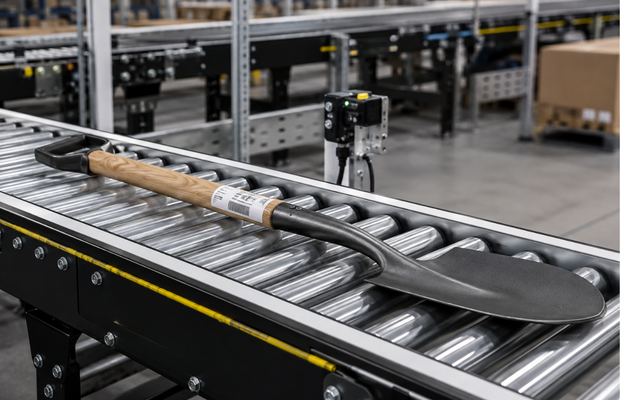
- Garden equipment
- Sporting goods
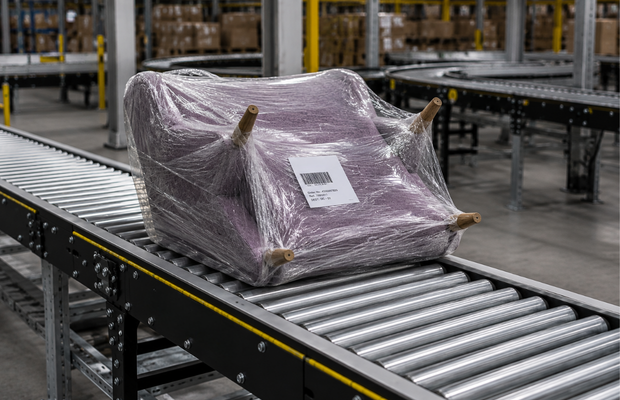
Soft or flexible packaging
- Bags of pet food
- Bedding
- Flexible mail bags
- Wrapped textiles
Heavy goods
- Industrial components
- Tooling equipment
- Large cartons exceeding conveyor weight limits
Unstable or difficult-to-handle products
- Cylindrical items
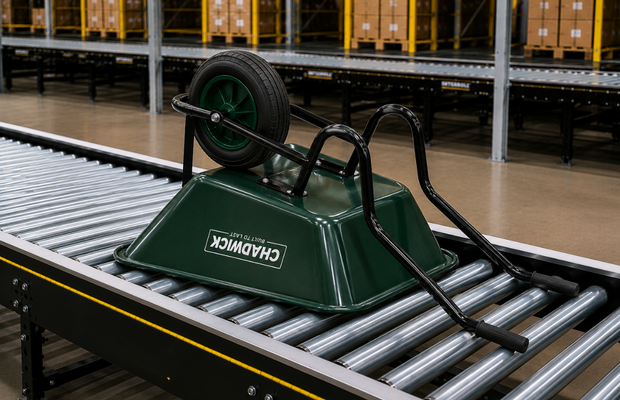
- Products with protruding parts
- Mixed-size cartons
- Fragile goods requiring special handling
Why non-conveyables matter
As businesses continue to automate their operations, non-conveyable products often become the exception that prevents full automation.
Many facilities find themselves in a situation where:
- Standard cartons flow seamlessly through the automated system.
- Non-conveyable products require separate manual processes.
- Labour costs increase.
- Throughput bottlenecks emerge.
- Valuable warehouse space is consumed by exception handling areas.
The result is a partially automated operation that never fully realises the expected return on investment.
How CSL automation helps
At CSL Automation, we understand that every product stream is different. Over the years, we have helped customers across multiple industries successfully integrate non-conveyable goods into highly automated material handling solutions.
Our approach begins with understanding the specific characteristics of the products and operational requirements before identifying the most effective handling strategy.
Depending on the application, solutions may include:
Traditional and Non-Conveyable Item Handling
CSL will provide a solution capable of handling both traditional conveyable products and non-conveyable (non-con) items using the most appropriate technologies and equipment for each application.
By assessing product characteristics and operational requirements, CSL will select and integrate the best handling methods to ensure safe, efficient, and reliable product movement. This approach delivers a flexible, scalable system that optimises performance while supporting current and future operational needs.
Automated handling systems
For more complex applications, we can integrate:
- Robotic handling solutions
- Automated pallet movement systems
- Transfer and lifting equipment
- Custom sortation solutions
- Automated storage and retrieval systems (ASRS)
Bespoke engineering
Some non-conveyable products require a completely tailored approach.
Our engineering teams regularly design custom solutions that account for:
- Product dimensions
- Centre of gravity
- Packaging characteristics
- Throughput requirements
- Future operational growth
The result is a system designed around the product rather than forcing the product to fit the system.
Experience makes the difference
One of the most common misconceptions in automation is that the handling of non-conveyable products must remain manual. In reality, many products classified as “non-cons” can be automated with the right combination of engineering expertise, material handling technology, and operational understanding.
At CSL Automation, we have extensive experience helping customers overcome these challenges. From individual product handling issues to fully integrated warehouse automation projects, our team works closely with clients to develop practical, reliable, and scalable solutions.
Looking to automate your non-conveyable products?
If your operation handles bulky, irregular, heavy, or difficult-to-convey items, there may be more automation opportunities than you think.
CSL Automation specialises in identifying and delivering solutions for products that fall outside conventional conveyor design parameters. Whether you’re planning a new facility, upgrading an existing system, or looking to reduce manual handling, our team can help you find the right approach.
Contact CSL Automation today to discuss your non-conveyable product challenges and discover how automation can unlock greater efficiency, throughput, and operational performance.
Discuss your Project Requirements
Thank you for your interest in CSL Automation. As one of the UK’s leading conveyor and automation integrators, we can help maintain your automation system.
Start your automation journey today.
