
Ship in Own Container (SIOC): The future of sustainable eCommerce packaging
As eCommerce continues to reshape the retail landscape, businesses are under increasing pressure to reduce costs, improve sustainability, and deliver a seamless customer experience. One packaging strategy gaining significant momentum across industries is Ship in Own Container (SIOC).
By allowing products to be shipped directly in their original packaging without the need for additional outer cartons or protective materials, SIOC offers a smarter, more efficient approach to fulfilment. For manufacturers, retailers, and logistics providers alike, it presents an opportunity to reduce waste, lower operational costs, and support sustainability goals while maintaining product protection throughout the delivery journey.
What is Ship in Own Container (SIOC)?
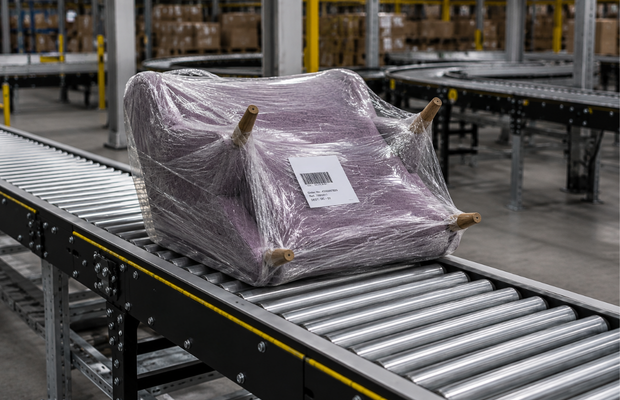
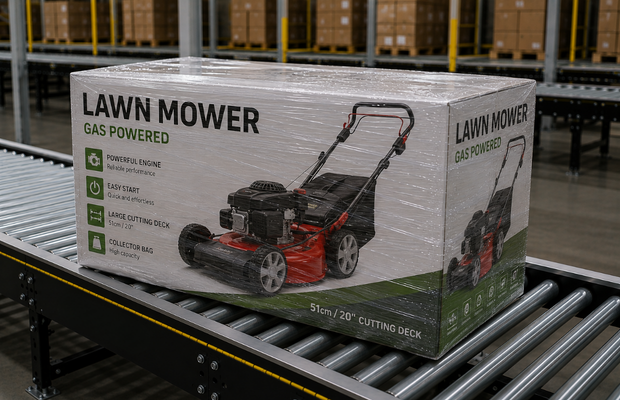
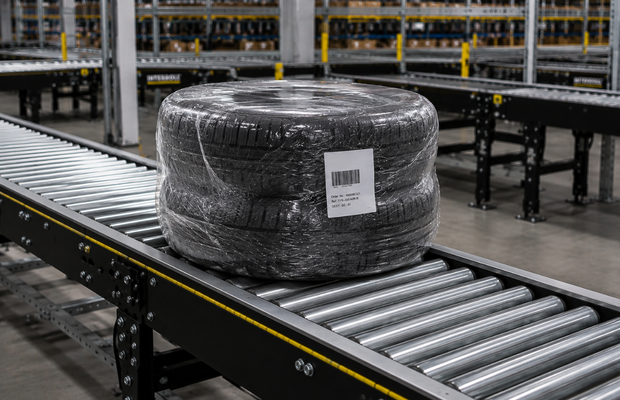
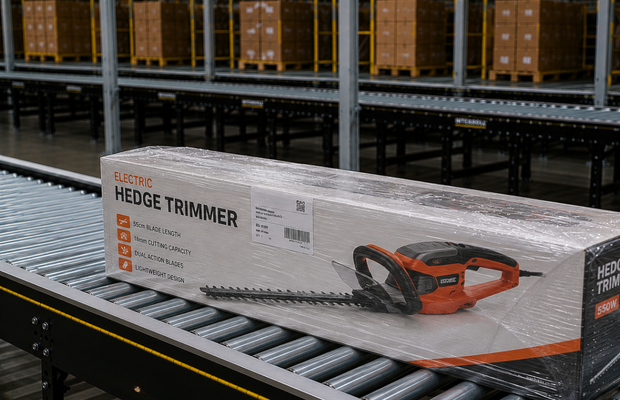
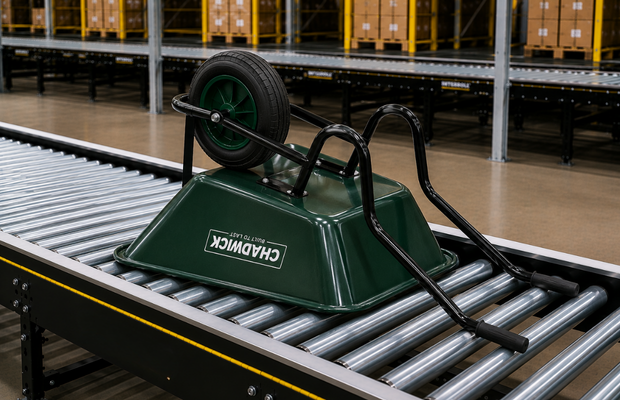
Ship in Own Container (SIOC) refers to the practice of shipping products directly to customers in their original product packaging. Instead of placing the product inside an additional shipping box, the product’s primary packaging serves as both the retail package and the shipping container.
To successfully implement a SIOC strategy, both the product and its packaging must be specifically designed and tested to withstand the rigours of the parcel delivery network. This includes exposure to handling, sorting systems, stacking pressures, vibration, impacts, and environmental conditions encountered throughout transportation.
When properly executed, SIOC eliminates unnecessary packaging while ensuring products arrive safely and in excellent condition.
Why is SIOC becoming more popular?
The rapid growth of online shopping has dramatically increased the volume of parcels moving through global distribution networks. As a result, businesses are constantly seeking ways to optimise packaging and improve supply chain efficiency.
Several factors are driving the increased adoption of SIOC:
Sustainability initiatives
Environmental responsibility has become a major priority for both businesses and consumers. Traditional eCommerce packaging often involves multiple layers of cardboard, plastic void fill, and protective materials, much of which is discarded immediately after delivery.
SIOC reduces packaging material usage by eliminating secondary shipping cartons and excess void fill. This helps organisations:
- Reduce packaging waste and cost
- Lower carbon emissions associated with packaging production
- Support corporate sustainability objectives
For consumers, receiving products with less packaging also creates a more positive and environmentally conscious experience.
Cost reduction
Packaging materials represent a significant operational expense within fulfilment operations. Every additional box, filler material, label, and packing process adds cost.
By implementing SIOC, businesses can reduce:
- Packaging material costs
- Labour associated with packing operations
- Storage requirements for secondary packaging
- Transportation costs related to larger parcel dimensions
Over time, these savings can become substantial, particularly for high-volume eCommerce operations.
Improved operational efficiency
Traditional fulfilment processes often require products to be picked, packed into shipping cartons, filled with protective materials, sealed, and labelled.
With SIOC, many of these steps can be eliminated or simplified.
Benefits include:
- Faster order processing
- Reduced handling requirements
- Streamlined warehouse operations
- Increased packing station productivity
- Lower labour demands
This operational efficiency becomes increasingly valuable as order volumes continue to grow.
The benefits of Ship in Own Container
Reduced Packaging Waste
One of the most visible benefits of SIOC is the reduction in unnecessary packaging materials.
Customers frequently express frustration over receiving small items in oversized boxes filled with excess packaging. SIOC addresses this issue by delivering products in appropriately sized packaging designed specifically for the product itself.
The result is less waste entering the recycling stream and landfill.
Enhanced Customer Experience
Modern consumers increasingly value sustainability and convenience.
SIOC can improve the customer experience by:
- Reducing excess packaging
- Making products easier to unpack
- Supporting environmentally responsible purchasing decisions
- Demonstrating a brand’s commitment to sustainability
Many customers appreciate receiving products without the need to dispose of large amounts of packaging material.
Lower transportation impact
Shipping efficiency improves when packages are optimised for transportation.
Eliminating secondary packaging can reduce:
- Package dimensions
- Overall shipment weight
- Vehicle space requirements
- Fuel consumption across transport networks
These efficiencies contribute to both cost savings and environmental benefits.
Stronger supply chain performance
When packaging is specifically engineered for both retail display and transportation, businesses can create a more resilient and efficient supply chain.
Properly designed SIOC packaging can improve:
- Product protection
- Inventory management
- Packaging standardisation
- Warehouse productivity
- Distribution efficiency
Challenges of implementing SIOC
While the benefits are significant, SIOC is not suitable for every product.
Successful implementation requires careful planning and testing.
Product protection requirements
Products shipped through parcel networks are exposed to numerous hazards, including:
- Drops and impacts
- Compression forces
- Vibration during transport
- Environmental exposure
- Automated sorting systems
Packaging must be robust enough to protect products throughout the entire distribution cycle.
Brand and customer considerations
Because the product packaging is visible throughout the shipping process, businesses must consider:
- Branding presentation
- Security concerns
- Customer privacy
- Tamper resistance
- Labelling requirements
In some cases, highly valuable or sensitive products may still require additional outer packaging.
Packaging design investment
Transitioning to SIOC often requires redesigning packaging systems to achieve both retail appeal and shipping durability.
This may involve:
- Structural packaging improvements
- Material upgrades
- Product securing mechanisms
- Protective inserts
- Transit testing and validation
Although there may be initial development costs, long-term savings often justify the investment.
The importance of packaging testing
A critical element of any successful SIOC programme is packaging performance testing.
Before products are approved for SIOC distribution, they should be evaluated against recognised testing standards that simulate real-world transportation conditions.
Testing typically assesses:
- Shock and drop resistance
- Vibration performance
- Compression strength
- Environmental durability
- Product integrity after transit
These evaluations help ensure products can survive the distribution environment without damage while maintaining customer satisfaction.
Conclusion
Ship in Own Container (SIOC) represents a practical and forward-thinking approach to modern packaging and fulfilment. By shipping products directly in their original packaging, businesses can significantly reduce material usage, lower costs, improve operational efficiency, and support sustainability initiatives.
However, successful SIOC implementation depends on careful packaging design and thorough testing to ensure products can withstand the demands of the parcel delivery network.
As companies continue to balance customer expectations, environmental responsibilities, and operational efficiency, SIOC is emerging as a key strategy for the future of eCommerce and distribution. Organisations that invest in robust SIOC packaging solutions today will be well-positioned to meet the challenges and opportunities of tomorrow’s supply chains.
Discuss your Project Requirements
Thank you for your interest in CSL Automation. As one of the UK’s leading conveyor and automation integrators, we can help maintain your automation system.
Start your automation journey today.
