
Belt Conveyor Systems
Proven belt conveyor solutions designed for durability and precision
Belt Conveyors
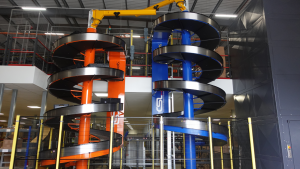
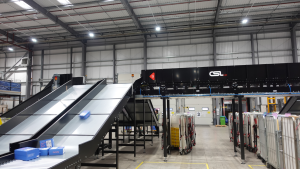
CSL provides a wide range of belt conveyor designs to accommodate a variety of industries and products. These range from pharmaceutical applications to mild painted steel systems suitable for manufacturing and warehouse environments.
Designs can be configured to suit specific process requirements, including belt type, conveyor length, speed, and integration with existing equipment. This ensures efficient material handling, reliable operation, and long-term durability across a broad range of operating conditions.


Benefits of Belt Conveyors
- Higher throughputs and productivity Vs. manual operations
- Provides consistent and continuous product movements
- Low maintenance
- Ideal for poly bags, packets, totes, cartons, and even irregular products.
- Reductions in risks associated with manual handling
- Cost savings over the manual movement of products












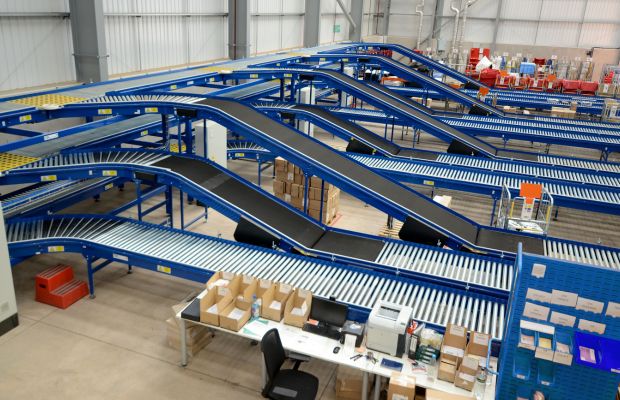
Our range will cover it all, whether you need a high-speed metering / gapping belt conveyor for an eCommerce application or a slower-operating transit conveyor. From small to large, lightweight to heavy loads, the CSL sales team will be able to guide you through the right specifications for your application.
Uses for Incline Conveyors
- Moving items from receiving to a mezzanine floor
Inbound cartons enter the building at ground level and need lifting to an upper-level picking or consolidation zone. - Feeding goods into storage racking systems
Where an inclined belt lifts totes or cartons onto a high-level conveyor spine. - Loading conveyors for palletisers located on raised platforms
Products are elevated before entering the palletising cell. - Feeding into automated sorters
Items approach the sorter at ground level and need to be elevated to the sorter infeed height. - Automated goods-to-person or putwall feeding
An incline lifts products from conveyors into the correct ergonomic operator height. - Raising small items up to high-speed crossbelt or shoe sorters
High-speed sorters are often installed 4–6m above floor level. - Transporting totes from item picking up to packing zones
Inclines help bridge multi-level workflows.

Uses for Decline Belt Conveyors
- Bringing picked orders from a mezzanine down to despatch
A controlled decline conveyor gently transfers totes/cartons to packing. - Returning empty totes from upper floors
A decline belt sends empties back to ground level for recirculation. - Feeding ground-level packing lines
High-level conveyor lines may drop down via decline belts into packing workstations.
- Downward transport from sorter outputs to ground-floor packaging
Sorter chutes or decline conveyors bring items to pack benches. - Returns processing lines dropping into consolidation areas
Declines gently transfer handled products back to the lower-level processing lanes. - Bringing orders from high-level picking areas down to automated baggers
Many eCcommerce baggers sit on the ground floor.
Belt Technology

Flat/ Horizontal belt conveyors
Flat or horizontal belt conveyors are the backbone of most automated material handling systems. They provide smooth, consistent transport of goods across a level plane.
Best Suited For:
Moving packaged goods, totes, and unit loads between workstations
High-throughput production lines
Sorting operations and assembly transfer
Performance Highlights:
Speed range: Typically 10–100 m/min (adjustable per application)
Load capacity: From light products (~5 kg) up to hundreds of kilograms per metre
Advantages: Simple, reliable, energy efficient, and easy to integrate with other automation
Incline/decline conveyors
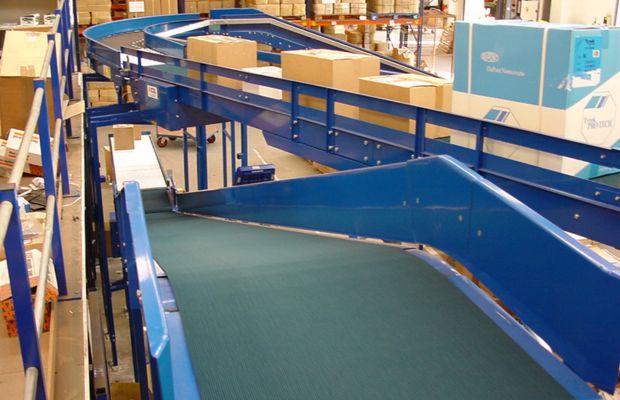
Incline and decline belt conveyors are used where products must travel between different elevations without manual lift.
Best Suited For:
Elevating goods to mezzanines or upper floors
Feeding items into elevated machinery
Managing vertical transitions in compact spaces
Performance Highlights:
Typical incline range: Up to 30°–35° depending on belt type
Enhanced traction profiles: Cleated or textured belts help secure products
Smooth transfer: Minimised risk of slippage or product rollback
Swan-Neck / Z-Frame Conveyors
Swan-neck and Z-frame conveyors combine vertical lift and horizontal conveyance in a compact footprint using dual-plane geometry.
Best Suited For:
Compact facilities with limited floor space
Connecting disparate conveyor elevations in tight layouts
Applications requiring controlled orientation
Performance Highlights:
Space efficiency: Vertical lift embedded into conveyor run
Load orientation: Maintains product positioning during transition
Versatility: Adjustable angles and heights for custom layouts
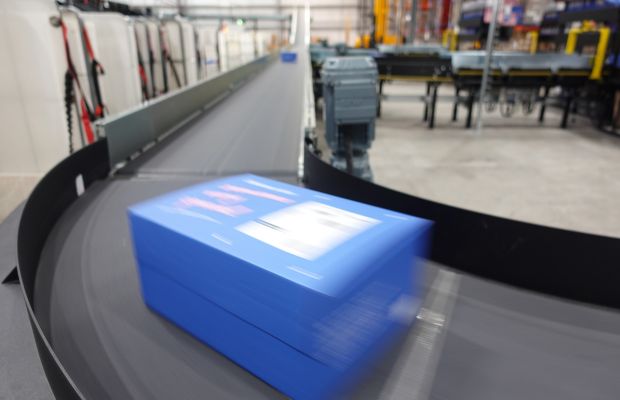
Belt Curve Conveyors
Curve belt conveyors change the direction of product flow without stopping or sorting. They are critical for navigating layouts where straight runs aren’t practical.
Best Suited For:
Redirecting products around obstacles
Routing product flows efficiently across facilities
Integrating multiple line paths
Performance Highlights:
Turn radius options: Tight to broad depending on conveyor width
Consistent tracking: Special belt designs maintain alignment through curves
High throughput: Maintains speed even through directional changes
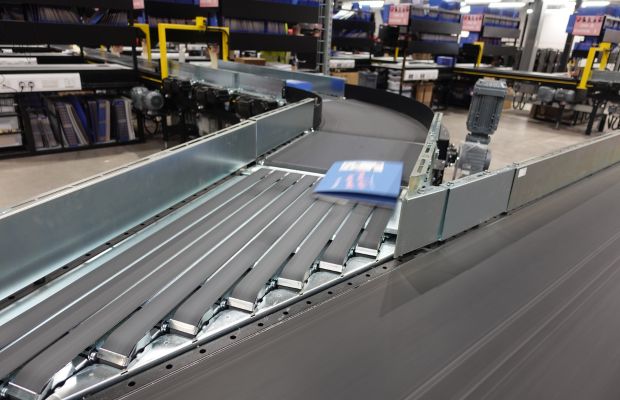
Metering / Induct Belts
Metering and induct belts control the spacing of products entering a process or machine, ensuring consistent gaps and precise timing.
Best Suited For:
SAP spacing into wrapping, labeling, or inspection systems
Smooth product handoff to high-speed equipment
Rate matching between upstream and downstream operations
Performance Highlights:
Precise spacing: Accurate product intervals down to millisecond control
Speed control: Variable frequency drives for tight speed adjustments
Throughput balance: Helps match line rates for smooth operation
Discuss your automation Project
Thank you for your interest in CSL Automation. As one of the UK’s leading conveyor and automation integrators, we can help design and install a system to help you take your business to the next level.
Start your automation journey today.
Frequently Asked Questions
What types of conveyor belts are included in your range?
Our range is expansive, and the integration is seamless. We use both end-driven drum drives for smaller items to ensure efficient transitions and motors equipped with brakes for handling heavier loads, especially on inclines or declines.
Which industries commonly use these conveyor systems?
Both conveyor belts and roller conveyors are versatile and serve multiple industries, including food processing, pharmaceuticals, e-commerce, manufacturing, logistics, and more.
How often should I service my belt conveyor?
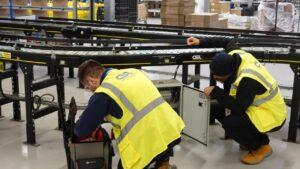
Regular maintenance is crucial. Our ConveyorCare plans offer peace of mind to protect your investment. The exact frequency depends on usage and the specific system. However, periodic checks every 3-6 months are generally recommended.
Are there safety concerns I should be aware of?
Safety is paramount. It’s essential to ensure that workers are trained to use conveyors safely and safety features like guards and emergency stops are integrated into the design.
How long is the typical lifespan of a conveyor system?
With regular maintenance, conveyor systems can last for many years, often well over a decade. The exact lifespan varies based on usage and system type.
How energy-efficient are Conveyor systems?
Modern conveyor systems are designed with energy efficiency in mind, utilising technology to minimise power consumption while maximising performance.
Can I expand or modify my conveyor system in the future?
Yes, many of our systems are modular in design, allowing for future expansion or reconfiguration as your business needs evolve.
Belt conveyor vs Conveyor Belt
Belt conveyor is the machine in its entirety and a conveyor belt is the material on the face (usually rubber) which will have contact with the products being moved.
What is a gapping / metering belt?
A series of small belts to create space between products and materials to make a secondary process such as picking and packing much easier.
Belt Conveyor vs. Roller Conveyor
Belt Conveyors are perfect when the material or products are small or irregular sizes or have a linear change of height (incline). Roller Conveyors are cost-effective way to transport materials and products and can easily interface with other automation and conveyor systems.
More Information
Belt Conveyors from CSL
Our conveyor systems are designed to maximise a safe and efficient operation, moving products smoothly without any flow issues.
What are Belt Conveyors Used For?
Belt conveyor lines are the most common types of conveyor systems. Both are commonly found in warehouses, fulfilment, and logistic facilities where products must be transported and accumulated.
Belt Conveyors play a significant role in maximising efficiency within a business operation.
Belt conveyor systems are primarily used for:
- Product Transit
- Order picking
- Product sortation
- Order packing
- Order replenishment
Belt Conveyors
Belt Conveyors offer a customised solution tailored to diverse industries. Our designs can transform the processes of various sectors, from food-safe stainless steel belts to those perfect for factories and warehouses.
From fast-moving and gapping belts that work for dynamic eCommerce companies to slower transit conveyors, we’ve got it all. Our goal is to help you find the perfect fit for lightweight packets or bulkier loads.
Benefits:
- Adaptable orientations: incline, decline, horizontal, and metering-gapping.
- Low maintenance.
- Ideal for poly bags, packets, totes, cartons, and even irregular products.
- Features available for organising and buffering
- Various belt surfaces are available to match specific requirements.