

Transform warehouse inefficiencies into competitive advantages with automation.
eCommerce and warehouse operations are under constant pressure to be as efficient as they can be. Customers expect rapid delivery, flawless order accuracy, and seamless returns, all while margins tighten and demand grows. Many ecommerce warehouses still rely heavily on manual processes, which can work at low volumes but often become significant constraints as business scales.
At CSL Automation, we regularly work with ecommerce businesses that recognise their operational challenges but are unsure how to address them. Below, we explore common weaknesses in manual ecommerce warehouse operations and explain how automation can transform these pain points into long-term competitive advantages, with measurable results.
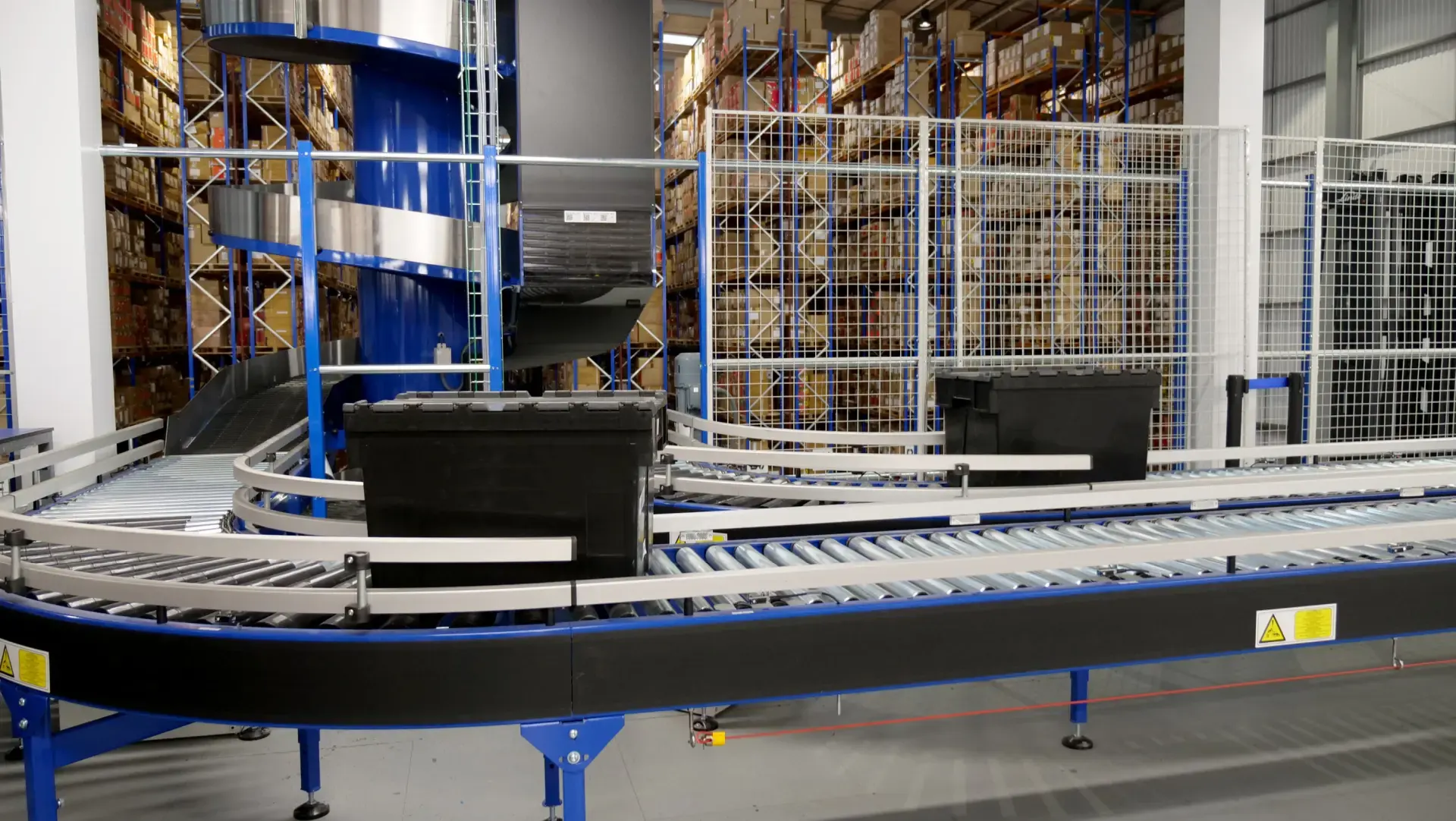
Picking inefficiencies and errors
The challenge
Manual picking is one of the most labour-intensive and error-prone activities in a warehouse. Traditional Walk-and-pick operations slow workers down, increase costs, and lead to errors — a critical issue when every picked order affects customer satisfaction.
Automation impact
- Automated warehouses report picking throughput improvements of 25–50% or more, allowing far more orders to be processed per shift without increasing staff.
- Order accuracy in automated environments can reach up to 99.9%, significantly higher than typical manual rates, reducing costly mis-picks and returns.
- Autonomous mobile robots (AMRs) and guided systems can improve throughput by 30-50% by reducing travel paths and process inefficiencies.
Business benefit
Higher throughput and near-perfect accuracy translate into fewer returns, faster fulfilment, and happier customers, while reducing labour costs per order significantly.
Packing constraints and inconsistency
The challenge
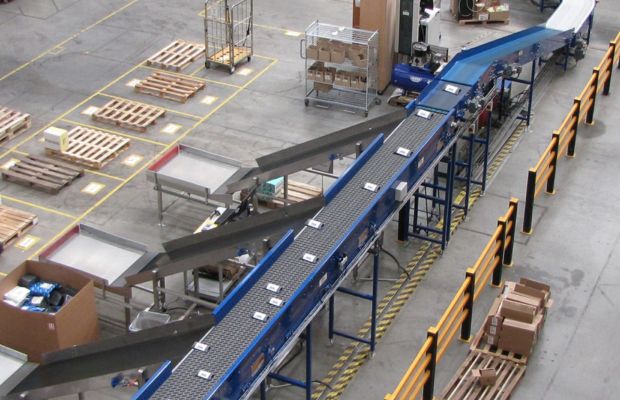
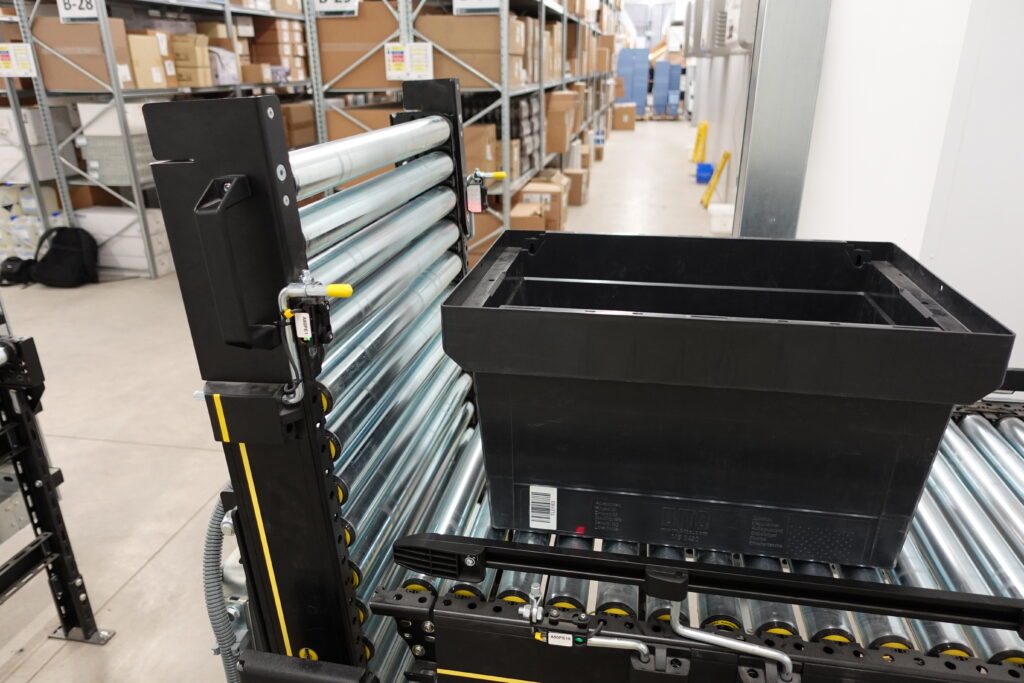
Manual packing is often inconsistent and time-consuming. Packers choose boxes, print labels, and verify contents, but human judgement leads to variation in packaging quality and cost.
Automation impact
- Automated packaging and dimensioning systems can help ensure the correct packaging is selected each time, reducing wasted material and lowering shipping costs.
- Integrated conveyance and scanning systems consistently verify orders, helping achieve throughput increases of 20-40% in packing modules.
Business benefit
Standardised, automated packing reduces dispatch time, cut material waste, and enhances delivery presentation, all contributing to stronger customer experience and lower per-order costs.
Returns handling and reverse logistics
The challenge
Returns are an unavoidable part of ecommerce. Manual handling can be chaotic, slow, and costly, with returned stock often sitting idle for days or weeks.
Automation impact
- Automated returns processing systems accelerate inspection, sorting, and restocking, helping businesses reduce cycle times and improve stock visibility.
- Real-time identification and routing reduces administrative bottlenecks and frees labour for higher-value tasks.
Business benefit
Faster returns turnaround means quicker refunds to customers, reduced holding costs, and more inventory available for resale, improving cash flow and satisfaction.


Lack of Scalability and Flexibility
The challenge
Manually operated facilities struggle to scale during peak seasons or when SKU complexity increases, often requiring bricks-and-mortar expansion or temporary labour, which erodes profitability.
Automation impact
- Digital and automated systems reduce dependency on manual labour and allow warehouses to scale throughput without linear cost increases.
- Companies report improvements in order cycle time and workforce productivity when automation is integrated with digital tools.
Business benefit
Automated systems are modular and adaptable, letting you scale selectively where demand spikes without a proportional increase in headcount or space.
Labour dependency and workforce challenges
The challenge
Manual warehouses depend heavily on people, which becomes a liability when labour markets are tight, wages rise, or turnover increases.
Automation impact
- Warehouse automation can cut labour costs by 30-40% over time by shifting repetitive tasks to machines.
- 80% of warehouses using advanced automation report decreased operational costs.
- AMRs and robotics enable 24/7 operations without fatigue, increasing overall productivity by up to 40%.
Business benefit
With automation handling repetitive, high-volume work, your workforce can focus on oversight, problem-solving, and continuous improvement, roles that drive higher business value.
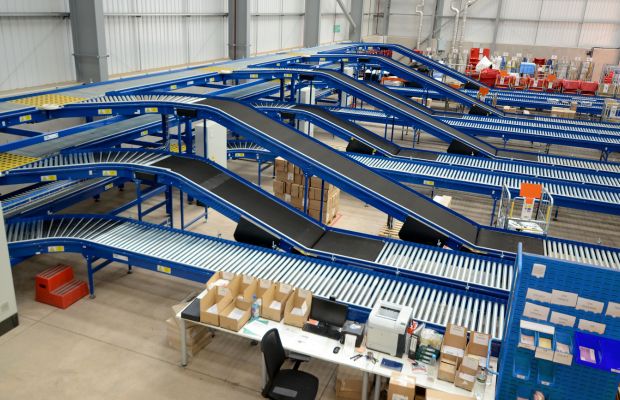
Turning Weaknesses into Strengths
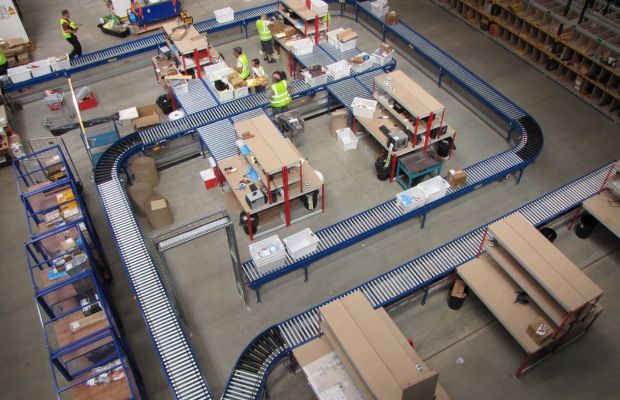
Manual ecommerce warehouse operations often start with good intentions, but structural weaknesses become apparent as volumes grow. Picking errors, slow packing, inefficient returns, and labour dependency limit performance and customer satisfaction.
Automation changes that narrative — delivering measurable throughput gains, reduced errors, lower labour costs, and scalable performance.
At CSL Automation, we specialise in designing and delivering tailored automation solutions to meet your operational goals. Whether you’re addressing specific bottlenecks or planning for long-term growth, automation can unlock your warehouse’s full potential with quantifiable results.
Discuss your Maintenance Requirements
Thank you for your interest in CSL Automation. As one of the UK’s leading conveyor and automation integrators, we can help maintain your automation system.
Start your automation journey today.
