What are the 5 levels of automation in factory operations?
Factory automation is not a single step but a journey. As manufacturers evolve, they typically move through five distinct levels of automation, each representing a significant advancement in efficiency, capability, and technological integration. Understanding these levels can help businesses identify where they currently stand and plan their path toward smarter, more connected operations.
5 levels of Automation
Level 0 - Manual Operation
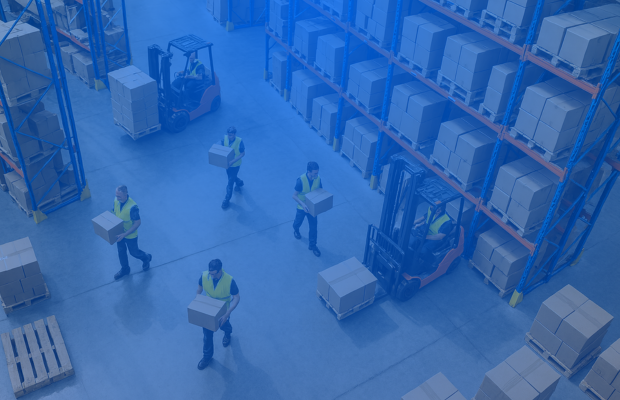
At this foundational stage, all processes are carried out by human operators. There is little to no automation in place, and production relies heavily on manual labour. While this approach offers flexibility, it can also lead to inconsistencies, lower productivity, and increased risk in hazardous environments.
Level 1 - Basic automation
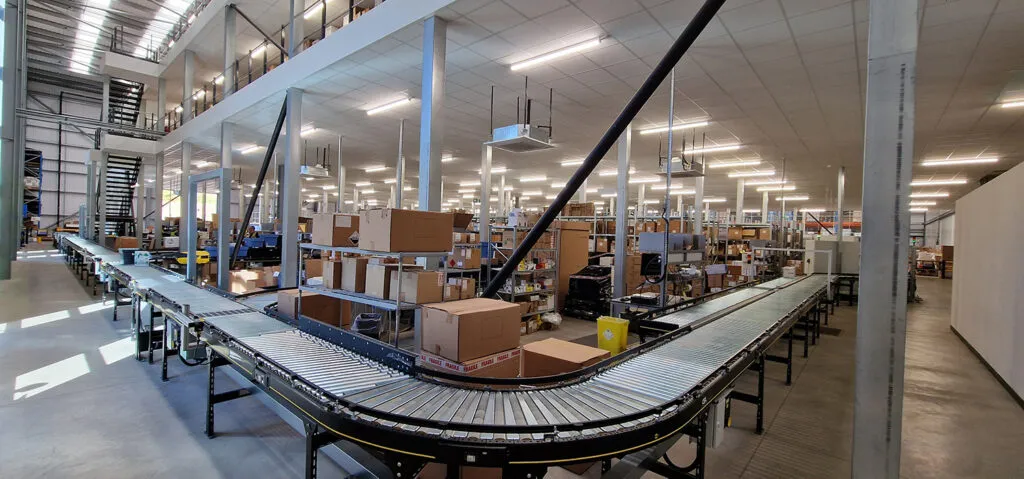
Basic automation introduces simple machines designed to assist workers with repetitive or physically demanding tasks. These systems improve consistency and reduce human error, allowing teams to focus on more skilled activities. However, automation at this level is often limited to isolated processes rather than full production workflows.
Level 2: Advanced automation
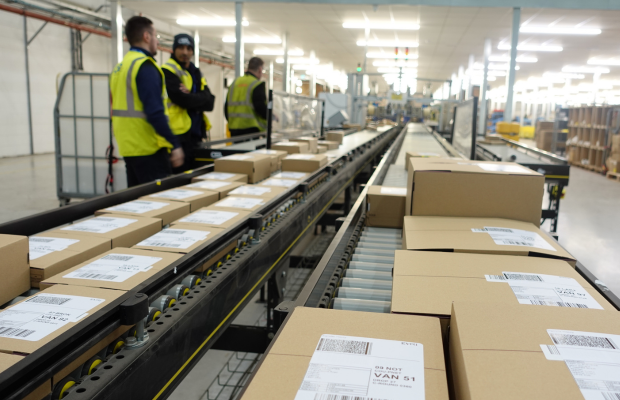
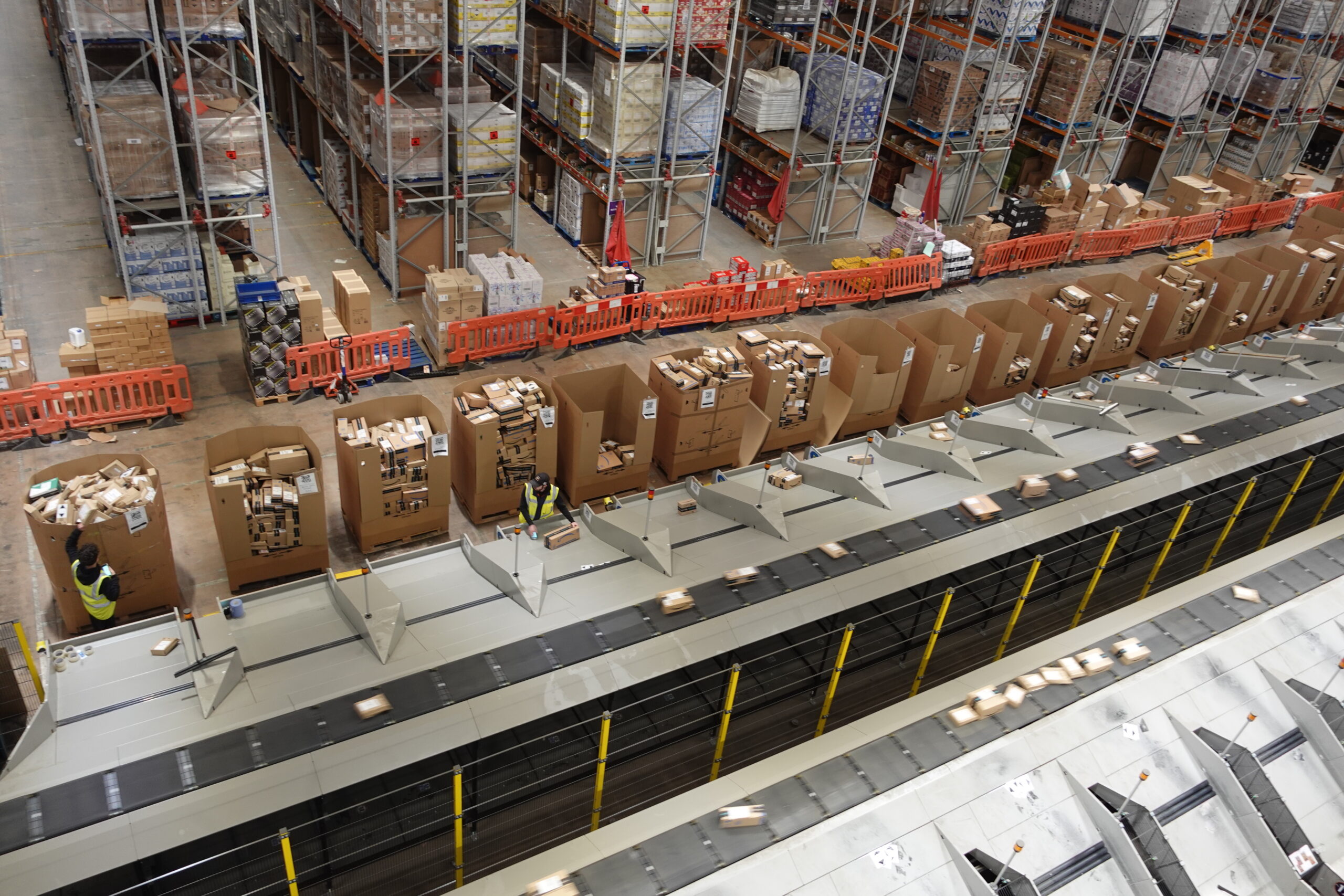
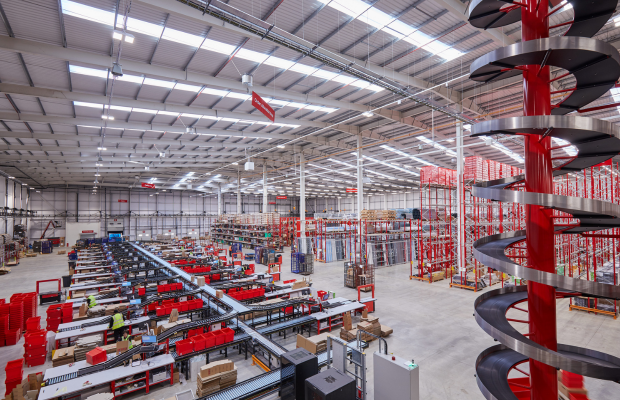
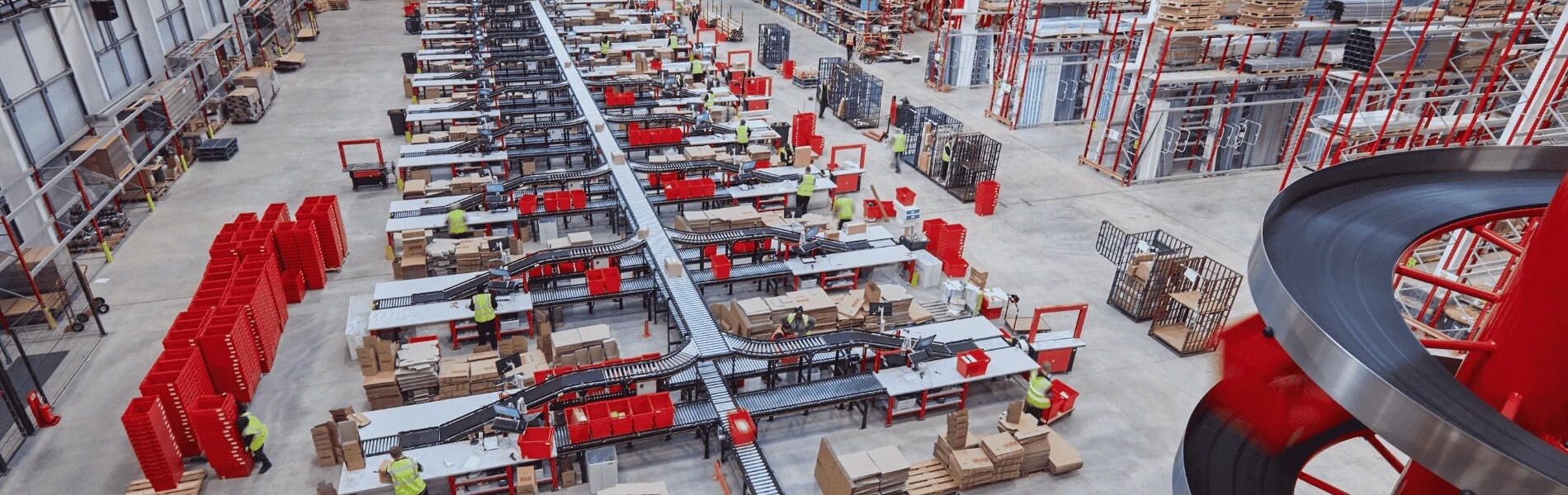
At this stage, factories begin to implement more sophisticated technologies such as programmable control systems, sortation, scanning and RFID as well as monitoring tools. These solutions enhance flexibility and significantly increase productivity. Manufacturers can automate complex processes and gain greater control over production performance.
Level 3: Integrated automation
Integrated automation connects multiple systems across the production line, enabling them to communicate and share data in real time. This level creates a more cohesive manufacturing environment, where processes are synchronised and optimised for efficiency. Improved data visibility also supports better decision-making and operational control.
Level 4: Intelligent automation
The highest level of factory automation incorporates advanced technologies such as artificial intelligence, machine learning, and the Industrial Internet of Things (IIoT). At this stage, factories become truly “smart,” capable of self-optimising processes based on real-time data. Predictive maintenance, adaptive production, and continuous improvement are key benefits of intelligent automation.
Building a smarter manufacturing future
Progressing through these five levels allows manufacturers to adopt increasingly sophisticated automation strategies while unlocking long-term efficiency gains. Each step brings improved productivity, enhanced quality, and greater resilience in a competitive market.
At CSL Automation, we support businesses at every stage of their automation journey, designing and delivering tailored solutions that drive performance today while preparing operations for the future of intelligent manufacturing.
Discuss your Project Requirements
Thank you for your interest in CSL Automation. As one of the UK’s leading conveyor and automation integrators, we can help maintain your automation system.
Start your automation journey today.