
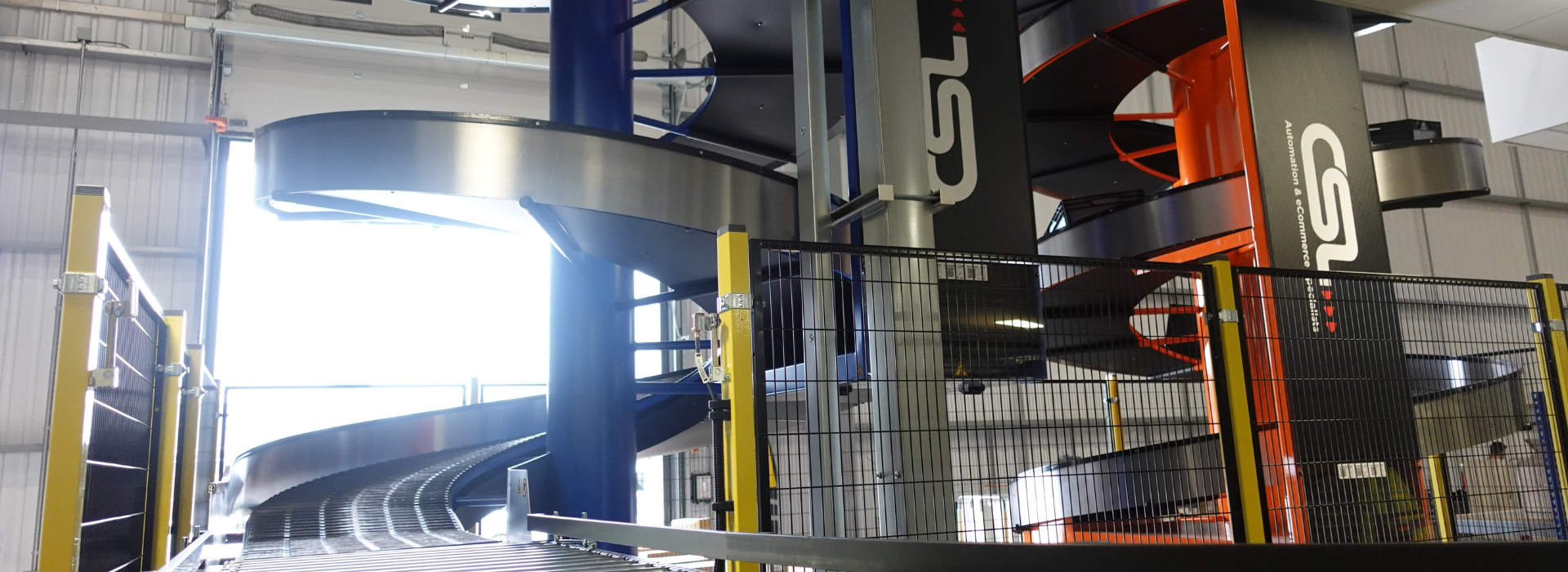
Automation projects are complex. Working with the right automation partner shouldn’t be.
Automation doesn’t have to transform your entire operation overnight. The smartest approach may be to build towards the future, one step at a time.
For many businesses, automation can feel like a major commitment.
There are questions around investment, available space, integration, disruption and, perhaps most importantly, knowing where to start.
But automation doesn’t have to mean replacing your existing operation with a fully automated system overnight.
A more practical approach can be to build automation in phases, addressing the areas where it can deliver the greatest immediate benefit while creating a platform for future growth.
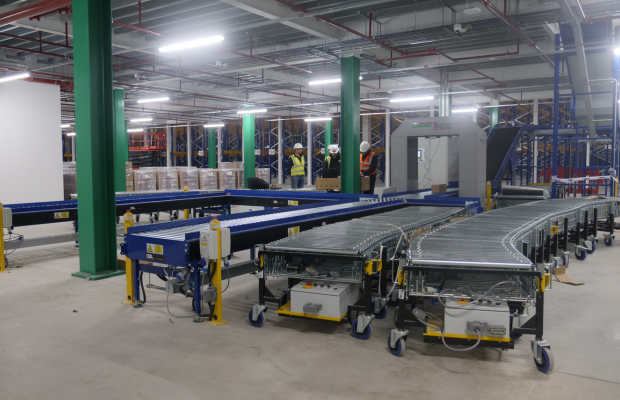
Start with today’s challenges but build for tomorrow.
Every operation is different.
You may be experiencing increasing order volumes, rising labour costs, limited warehouse space or growing pressure on throughput. Perhaps certain processes are becoming bottlenecks, while others continue to work effectively.
This is where taking a phased approach to automation can make sense.
Rather than asking:
“How do we automate everything?”
The better question may be:
“Where can automation make the biggest difference today, while preparing us for tomorrow?”
That could mean automating a single process, such as conveying products between operational areas, introducing automated sortation or improving order picking.
Once that foundation is established, further automation can be introduced as your operation develops.
Stage 1: Automate the operational bottlenecks
Start by identifying the part of your operation that is creating the greatest constraint.
It might be:
- Manual movement of products
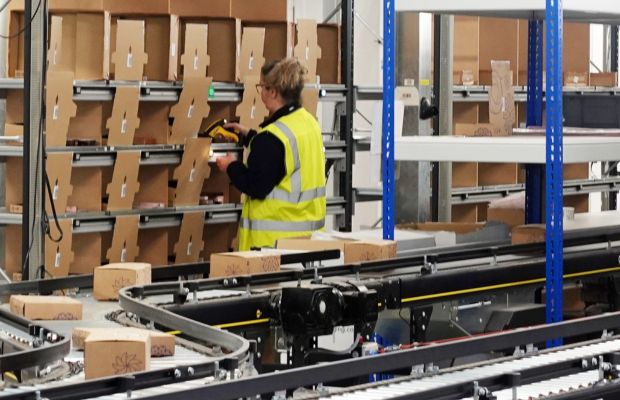
- Repetitive picking or packing
- Product sortation
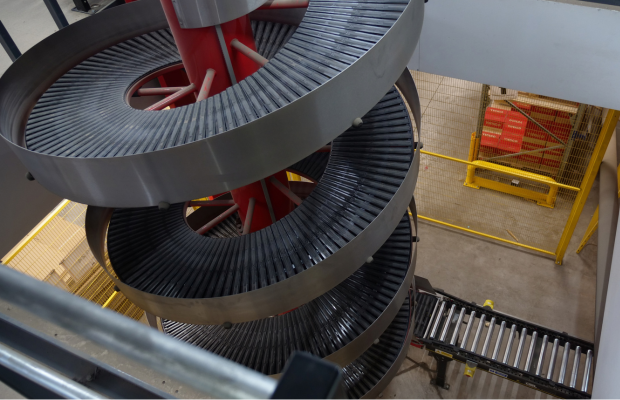
- Moving goods between floors
- Replenishment
- Pallet handling
- Manual order consolidation
Automating this particular process can relieve pressure without requiring a complete redesign of your operation.
The result is a more focused investment, with the potential to deliver measurable improvements from the outset.
Stage 2: Connect your processes
Once individual processes are automated, the next opportunity is to connect them.
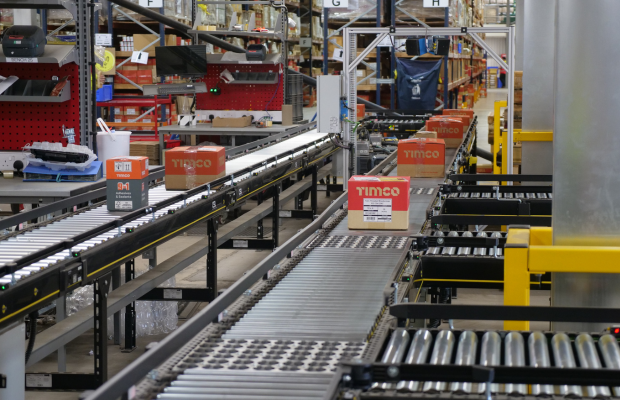
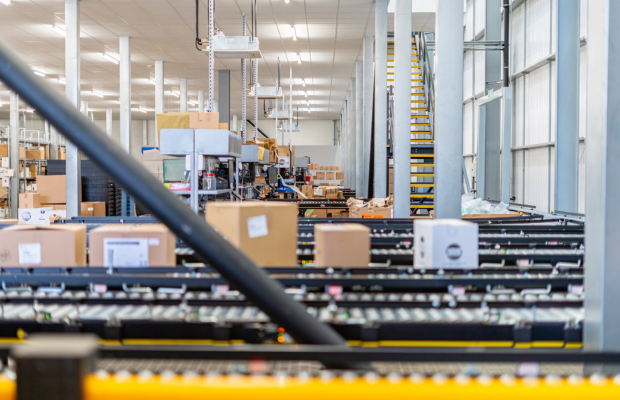
For example, products could move automatically from picking to packing, from packing to sortation or from receiving through to storage.
Conveyors, sortation systems, lifts, scanners and control systems can work together to create a more connected material flow.
This is where automation can start delivering benefits beyond individual processes.
Instead of simply automating a task, you are beginning to automate the flow of your operation.
Stage 3: Introduce intelligent solutions
As your automated infrastructure develops, there may be opportunities to introduce more intelligent technology.
This could include:
- WCS and WMS integration
- Automated stock replenishment
- Barcode and RFID identification
- Automated sortation
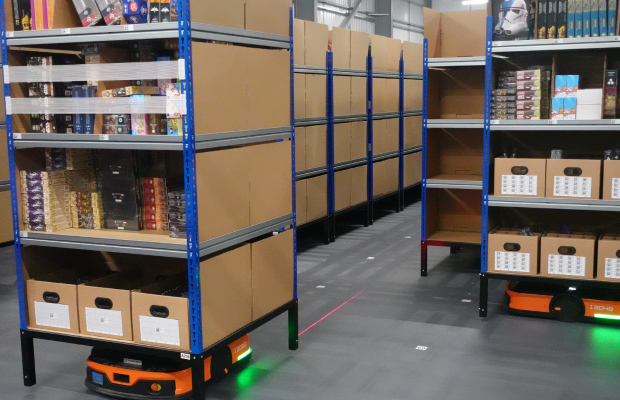
- AMRs
- Automated picking
- Real-time monitoring and performance data
- Predictive maintenance technologies
The objective isn’t simply to add more technology.
It is to make your operation more connected, responsive and capable of making better use of the information it generates.
Stage 4: Scale with the business
Perhaps the biggest advantage of a phased approach is flexibility.
Your business may look very different in three, five or ten years.
Order volumes may increase. Your product range may change. You may move into new markets or add additional warehouse space.
A well-planned automation strategy can allow your operation to evolve rather than requiring you to start again.
Additional conveyors, sortation capacity, packing stations, storage systems or automated processes can potentially be incorporated as requirements change.
Don’t just automate for today
One of the biggest considerations when investing in automation is to avoid designing solely around today’s requirements.
If your business is growing, the system you install today needs to have the potential to support that growth.
That doesn’t necessarily mean investing in your ultimate automation solution from day one.
Instead, it means planning the journey.
For example, you might initially automate one packing area, while ensuring the system architecture, controls and available space can support additional packing capacity in the future.
You might introduce a conveyor system designed around today’s throughput, but with the ability to extend it as volumes increase.
Or you could automate one warehouse process while creating the infrastructure required to connect additional processes later.
The important thing is to understand not only what you need now, but where the operation is heading.
Plan the destination. Choose the next step.
The key to successful phased automation is having a clear vision of where you want to get to.
You don’t necessarily need to implement the entire solution immediately.
But understanding the potential end goal can help ensure that every stage of investment contributes towards it.
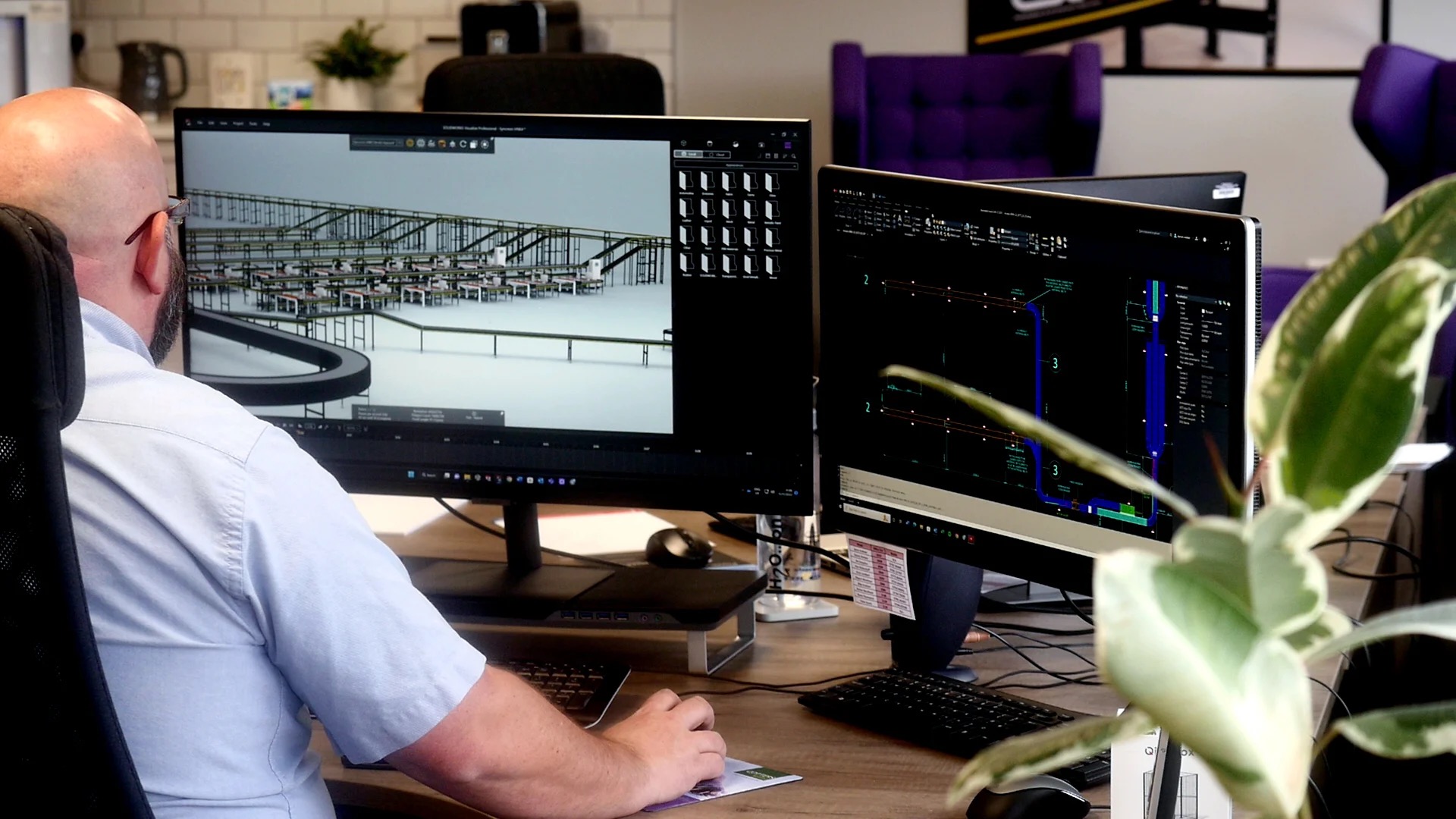
At CSL Automation, we can help businesses assess their current operation, identify opportunities for automation and develop solutions around both immediate requirements and future growth.
As an independent systems integrator, we can look at the operation as a whole and recommend the technologies and approach that best fit your requirements.
Because the best automation strategy isn’t necessarily about automating everything today.
It’s about building an operation that can keep getting better tomorrow.
Discuss your Project Requirements
Thank you for your interest in CSL Automation. As one of the UK’s leading conveyor and automation integrators, we can help maintain your automation system.
Start your automation journey today.
